Dreaming about a mountain parcel in Divide? A great view can grab your attention fast, but the real value of land often comes down to what happens after you buy it. If you want a lot that supports your plans instead of slowing them down, you need to look past the photos and into the details that matter most. Let’s dive in.
Start With Access
In Divide, access is one of the first things to verify because Teller County ties several development steps to legal, usable access. The county requires a driveway access permit before a building permit, and if your driveway crosses another property or public land, you must show the proper easement or access permit.
That means you should confirm more than whether a road appears on a map. You want to know if the parcel sits on a county-maintained road, a private or shared road, or a route that depends on an easement or separate access agreement.
Ask Who Maintains the Road
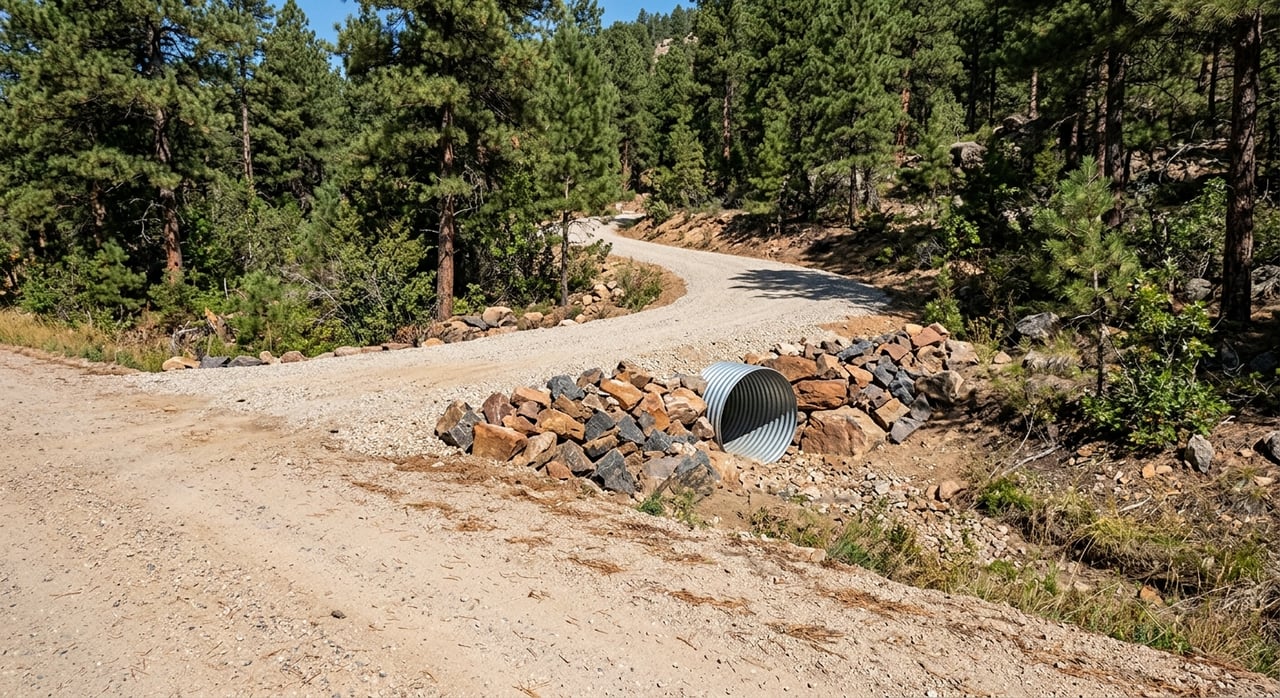
Road maintenance matters in every season, but especially in winter. Teller County notes that homeowners are responsible for maintaining driveways, culverts, and parking areas, and snow removal can leave a berm across a driveway.
If the road is not county-maintained, Teller County also expects a road-maintenance plan in development review. Standard maintenance categories include grading, drainage, vegetation management, resurfacing, and winter plowing or ice control.
Check the Road Class
Not every road offers the same level of access. Teller County says some roads are classified only for emergency access and maintenance until they are upgraded.
The county also will not process road-name or property-address requests without proof of legal access from the proper source, such as Teller County, CDOT, the USFS, BLM, or a private easement. For a buyer, that is a strong reminder to verify access early, not after you are under contract and making plans.
Confirm the Parcel Is a Legal Building Site
A mountain parcel can look perfect online and still raise questions about whether it is a legal lot for building or well-permit purposes. Teller County has a legal lot determination process for parcels that may be legally pre-existing non-conforming lots.
That process can require deed chains and other legal documents, and the county records its written determination. If there is any uncertainty about the parcel’s status, this is one of the most important questions to answer before you move too far forward.
Review Recorded Documents Carefully
Recorded documents can affect what you can build, where you can build, and how the property can be used. Teller County’s Recording Department records deeds, subdivision plats, and other public documents, and the county’s subdivision code references items like protective covenants, declarations, plat notes, and amended plats.
Marketing remarks rarely tell the whole story. You want to read the recorded documents themselves so you understand the parcel on paper, not just in the listing description.
Look Closely at Water and Septic Feasibility
In mountain property, water and wastewater questions can make or break a parcel. Teller County’s rules require adequate access, water supply, and wastewater disposal, and the county notes that wells and septic sites may need to fit within the building envelope.
That is why a lot that seems large enough at first glance may still need a careful review of layout, setbacks, and site constraints. Buildability is not only about acreage. It is about whether the pieces fit together in a realistic way.
Understand Well Approval Limits
Colorado’s Division of Water Resources reviews water-supply proposals sent by counties for land-use permits. The agency says it cannot guarantee that a well permit will be issued for a specific parcel without a full evaluation.
If there is an existing well nearby or on the parcel, well-permit files may include allowable uses and available construction records. That can help you ask better questions, but it is not the same as a guarantee for future approval.
Know Your Water Testing Responsibility
If a parcel will rely on a private well, testing matters. Colorado states that private wells are not regulated under the Safe Drinking Water Act, so the owner is responsible for water safety and testing.
That is an important practical point for buyers comparing raw land or homesites in Divide. A water source may exist, but you still need to understand your responsibilities as an owner.
Verify Septic and Soil Conditions
Teller County’s Environmental Health Department handles OWTS and septic permits. The county says it is updating local regulations so they remain at least as strict as the state’s Regulation 43 standards.
The county’s infrastructure review may also involve soil and geologic concerns such as high water tables, unsuitable soils, and other geological hazards. In plain terms, not every pretty parcel offers a simple path to septic approval.
Pay Attention to Terrain and Building Envelope
Mountain land is rarely flat, and that affects both cost and design. Teller County’s visual-resource guidance says building envelopes should respond to landforms, drainage patterns, topography, vegetation, views, and sun exposure.
The county also says site disturbance should stay within the building envelope and should minimize cut-and-fill. If a future homesite requires major grading, that can change the look, cost, and practicality of the project.
Think Beyond the View
In Divide, orientation is about more than scenery. Sun exposure can affect snow melt, drainage patterns can influence where you build, and topography can change both privacy and visibility from the road.
Teller County’s guidance reflects that broader view of site planning. A parcel with a stunning outlook may still need careful thought about where the home, driveway, septic area, and outdoor spaces will actually work best.
Consider Wildfire Readiness Early
Wildfire planning is part of buying mountain land in Teller County. The county’s Office of Emergency Management connects residents with Peak Alerts, the county’s Community Wildfire Protection Plan, fire-ban guidance, and evacuation information.
For buyers, that means wildfire readiness should be part of your parcel evaluation from the start. Vegetation, driveway layout, access routes, and defensible-space planning can all shape how practical and comfortable a property feels over time.
Watch for Scenic Corridor Expectations
Some Divide-area parcels may sit near scenic roadways or wildlife-viewing roadways. Teller County designates corridors that include US 24 and State Highway 67 as scenic roadways, and parcels near these routes may face added visual, landscape, or siting expectations.
The county also advises consulting Transportation and Parks before submitting a permit application when scenic-roadway considerations apply. If a parcel is visible from a key corridor, those expectations can influence your building plans.
Compare Recreation Access the Right Way
A big part of Divide’s appeal is what surrounds it. Mueller State Park offers camping, hiking, wildlife viewing, snowshoeing, and cross-country skiing across 5,117 acres, while Florissant Fossil Beds National Monument and the Pikes Peak Ranger District add even more outdoor access nearby.
That said, recreation value should support your parcel decision, not replace due diligence. A lot near trails, public land, or favorite outdoor destinations can be exciting, but access, legal status, water, septic, and terrain still come first.
A Smart Due-Diligence Checklist
When you compare mountain parcels in Divide, it helps to use the same checklist each time. A solid review usually includes both document work and an in-person visit.
Here are some of the most important items to verify:
- Legal access to the parcel
- Road type and road-maintenance responsibility
- Driveway permit requirements
- Legal lot status for building or well-permit purposes
- Water-supply path and existing well records, if any
- Septic and OWTS feasibility
- Building envelope location
- Topography, drainage, and grading needs
- Recorded covenants, plat notes, and restrictions
- Scenic corridor or visual-resource considerations
- Wildfire readiness and evacuation practicality
Why Local, Boots-on-the-Ground Review Matters
A Divide parcel can check every box in a listing and still feel very different once you walk it. Road conditions, slope, vegetation, drainage, and access points are easier to judge in person than from aerial photos alone.
That is why many buyers benefit from a boots-on-the-ground visit, plus title and plat review and, when needed, input from driveway, water, septic, survey, or engineering professionals. In mountain real estate, small site details often make the biggest difference.
Bottom Line on Divide Parcels
The best mountain parcel in Divide is not always the one with the biggest view or the lowest price. It is the one with verified legal access, realistic road and winter-use expectations, a workable path for water and wastewater, and terrain that supports your plans without unnecessary surprises.
If you are comparing land in Divide and want practical guidance from someone who understands Teller County property on the ground, connect with Ruthie Grainger.
