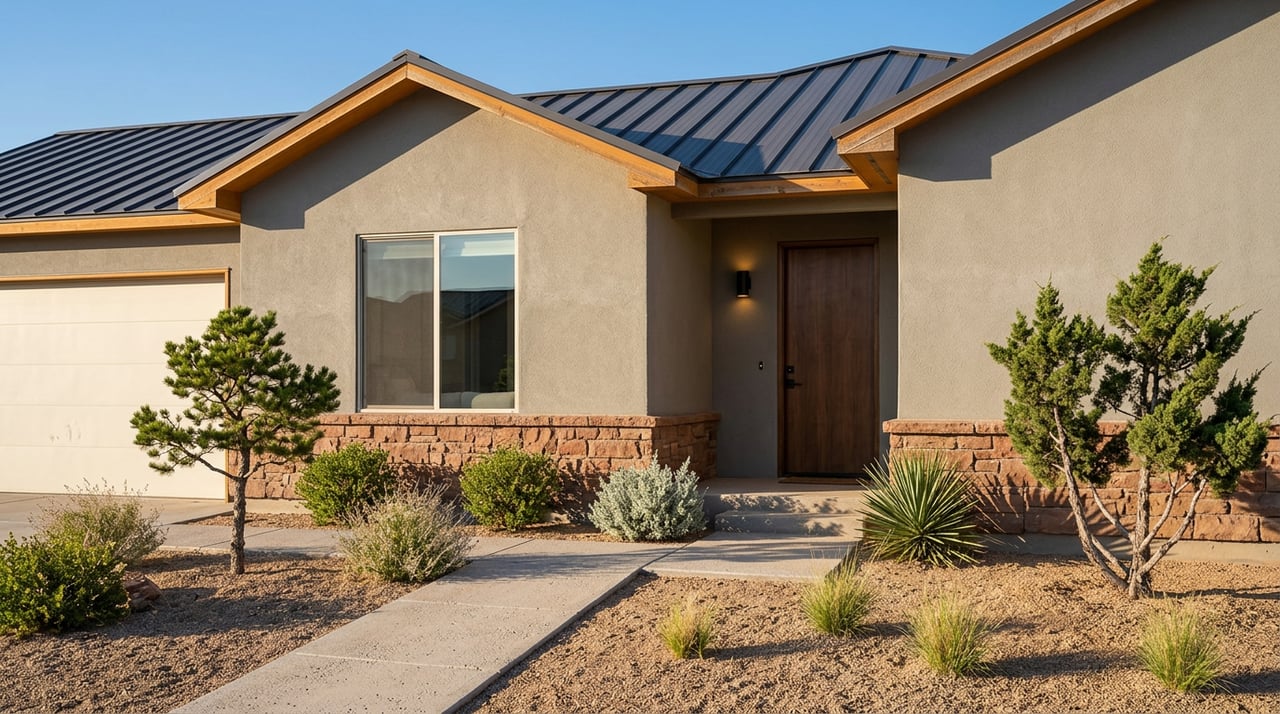
Looking for more sun, less snow, and a second home that is easy to reach on a Friday afternoon? Canon City sits along the Arkansas River at about 5,300 feet and proudly calls itself the Climate Capital of Colorado, which means milder winters and a lot of blue-sky days. If you live along the Front Range, you can usually get here from Colorado Springs or Pueblo in about 45 to 60 minutes. In this guide, you will learn what second‑home buyers should know about Canon City’s climate, prices, taxes, rental rules, and day‑to‑day ownership. Let’s dive in.
Canon City at a glance
Canon City offers a high-sunshine, high‑desert climate with quick access to the Royal Gorge and the Arkansas River. The official visitor site highlights the area’s mild winters and outdoor lifestyle, which is a major draw for weekenders and seasonal owners. You can get a feel for the region’s climate and attractions by starting with the city’s visitor overview on the destination website at Visit Canon City.
- Elevation: about 5,300 feet with a sunnier, drier climate than higher mountain towns.
- Access: roughly 45 to 60 minutes to Colorado Springs or Pueblo, which makes short stays practical.
- Experiences: easy access to the Royal Gorge corridor, scenic drives, rafting, hiking, and downtown dining.
Who a Canon City second home fits
Weekend Front Range escape
If you want a quick, low‑stress getaway without heavy I‑70 traffic, Canon City can be a smart fit. You get river views, red‑rock scenery, and sunshine without the deeper snowpack found at higher elevations. That mix lets you enjoy four seasons of use.
Family vacation base
Families use Canon City as a base for rafting, the Royal Gorge area, and scenic day trips. Summer and shoulder seasons see strong demand for lodging, which lines up well with school breaks and extended weekends. The visitor bureau emphasizes local events and easy access to outdoor fun, so your guests or family can fill an itinerary without long drives.
Owners who may rent part time
If you plan to rent occasionally, Canon City’s summer and early fall tourism can support bookings. You should confirm sales and lodging tax duties, local permits, and HOA rules before you list. Short‑term rental rules differ inside city limits and in the county, so verify details for the exact address.
What you will find on the market
Common property types
Most listings in and around ZIP 81212 are single‑family homes. You will see historic homes near downtown, ranch‑style houses, river‑adjacent properties, and rural acreage outside city limits. Condo and townhome projects exist but are less common than in larger resort areas. For a high‑level snapshot of the housing stock, review the 81212 profile on Census Reporter.
Price context to frame your search
Prices shift with condition, location, acreage, and river proximity, but these reference points help you calibrate expectations:
- ACS 5‑year median owner‑occupied value for 81212: about $329,000 (Census Reporter, latest 5‑year estimate at time of writing).
- Zillow’s Canon City index showed a typical home value in the low to mid $300,000s (data through Jan 31, 2026).
- Realtor.com reported a $397,000 median for 81212 in late 2025.
Different providers track different metrics and update on different cycles, so use these as context only. Your final pricing should come from current MLS data and recent comps.
Seasonality and inventory
Canon City has a mix of older, affordable single‑family homes and newer subdivisions. Listing activity and days on market often improve in spring and summer, when more buyers tour and more sellers list. If you want the best selection, start your search ahead of peak season so you can act quickly when the right home appears.
Plan your purchase: rules, costs, and risks
Financing a second home
Second‑home loans are usually underwritten more conservatively than primary‑home loans. Lenders may ask for a larger down payment, stronger credit, and healthy cash reserves. Review the Consumer Financial Protection Bureau’s homebuying resources and compare offers with a local lender who knows Fremont County norms.
Property taxes and how they are calculated
Colorado converts a property’s market value to an assessed value, then applies local mill levies. The state’s published residential local government assessment rate was 6.25 percent for 2025. You can review the current guidance on the Colorado Division of Property Taxation site at DPT/DOLA assessment rate. After you have the assessed value, apply the relevant mill levies for your district. Fremont County publishes its mill levies by taxing district, which you can review in the county’s Mill Levies by District PDF. Because levies vary by parcel, run the estimate for the exact address.
Renting your place: sales and lodging taxes
If you intend to rent, plan for state sales tax and local sales or lodging taxes that apply to paid stays. Combined sales tax rates in Canon City are commonly in the high single digits, and the county also invests a 2 percent lodging tax in destination marketing. You can read a city news item describing how lodging tax supports tourism at this Canon City civic update. Always confirm the exact rates and filing steps with the Colorado Department of Revenue and the city or county finance office before you accept bookings.
Income‑tax rules for part‑time rentals
How you use the home affects your federal taxes. The IRS’ “14‑day rule” generally allows you to skip reporting rental income if you rent your home for 14 days or fewer in a year. Once you rent more than that, different rules apply for deductible expenses, depreciation, and losses. Review IRS Publication 527 and speak with a CPA so you set up record‑keeping the right way from day one.
Insurance, flood, and wildfire checks
Some Canon City parcels sit near the Arkansas River, and certain canyon or rim areas can face wildfire exposure. Before you write an offer, check FEMA’s official maps at the Flood Map Service Center to see if a property lies in a Special Flood Hazard Area, which can affect insurance costs and lender requirements. Also screen the address in the USDA Forest Service’s Wildfire Risk to Communities tool and ask the seller about any mitigation work completed.
Permits, STR rules, and HOAs
Short‑term rental rules change and differ by location. Inside city limits, confirm requirements with the city’s licensing office. For county properties, verify business, tax, and land‑use steps with the county offices. Start with the city’s main site at CanonCity.org and the Fremont County assessor and planning pages. Always review HOA covenants for rental, parking, and use rules before you sign.
Manage your Canon City second home from afar
Use this checklist to keep your investment running smoothly when you are not in town.
- Choose your use model. Decide if the home is for personal use, occasional rentals, or a professional short‑term rental. Align your mortgage type and insurance with that plan, and review the IRS rules for mixed personal and rental use in Publication 527.
- Line up reliable local help. A property manager or co‑host can handle bookings, cleanings, and emergencies. Industry estimates, such as those cited by Kiplinger, put full‑service management at about 10 to 20 percent of rental revenue.
- Prep for winter and shoulder seasons. Add shutoff procedures, heat tape where needed, and a list of local contractors. Schedule HVAC service, gutter cleaning, and roof checks.
- Add smart home tools. Use smart locks, exterior cameras where allowed, leak sensors, and a smart thermostat. Name a 24/7 local contact for guest issues and emergencies.
- Create a house manual and contacts page. Include local nonemergency numbers, nearest hospital or clinic, and fire district contacts. Your guests and vendors will appreciate clear instructions.
- Set up bookkeeping and tax accounts. Register to collect and remit sales or lodging taxes with the Colorado Department of Revenue. Keep clean records for state and local returns, and talk with your CPA about depreciation and expense tracking.
When to visit and how to use it
Summer and early fall are peak seasons thanks to rafting, Royal Gorge attractions, and warm, dry weather. Spring and late fall offer great shoulder‑season value with cooler temps and fewer crowds. Winters are generally milder than in higher mountain towns, which makes quick weekend trips more realistic throughout the year. For ideas on seasonal activities, scan the overview at Visit Canon City and build your calendar around the events that matter to you.
Your next step
If you love the idea of a sunny, river‑valley base that is easy to reach from the Front Range, Canon City is worth a close look. A little prep on taxes, insurance, and permitting goes a long way, and the right boots‑on‑the‑ground guidance helps you find the property that fits your plan. Ready to explore Canon City second‑home options or compare neighborhoods and acreage outside town? Reach out to Ruthie Grainger for local, hands‑on guidance across Canon City and the Pikes Peak corridor.
FAQs
What makes Canon City’s climate attractive for second homes?
- Canon City sits around 5,300 feet with a sunny, high‑desert climate and milder winters than higher mountain towns, which boosts year‑round use and reduces snow‑related hassles.
How much are property taxes on a Canon City second home?
- Colorado applies a residential assessment rate of 6.25 percent for 2025, then local mill levies to that assessed value; check the state guidance and the Fremont County mill‑levy list for your parcel.
Can I rent my Canon City second home on a short‑term basis?
- It depends on location and rules; confirm city or county licensing, tax collection steps, and any HOA restrictions before listing, and plan to register with the Colorado Department of Revenue for tax remittance.
Do I need flood or wildfire insurance in Canon City?
- Requirements depend on the exact address; screen each property on FEMA’s Flood Map Service Center and the Wildfire Risk to Communities tool, then consult an insurance broker on coverage and costs.
What are typical second‑home management costs if I hire help?
- Full‑service short‑term rental managers often charge about 10 to 20 percent of rental revenue, with fees varying by scope of services and property size.
