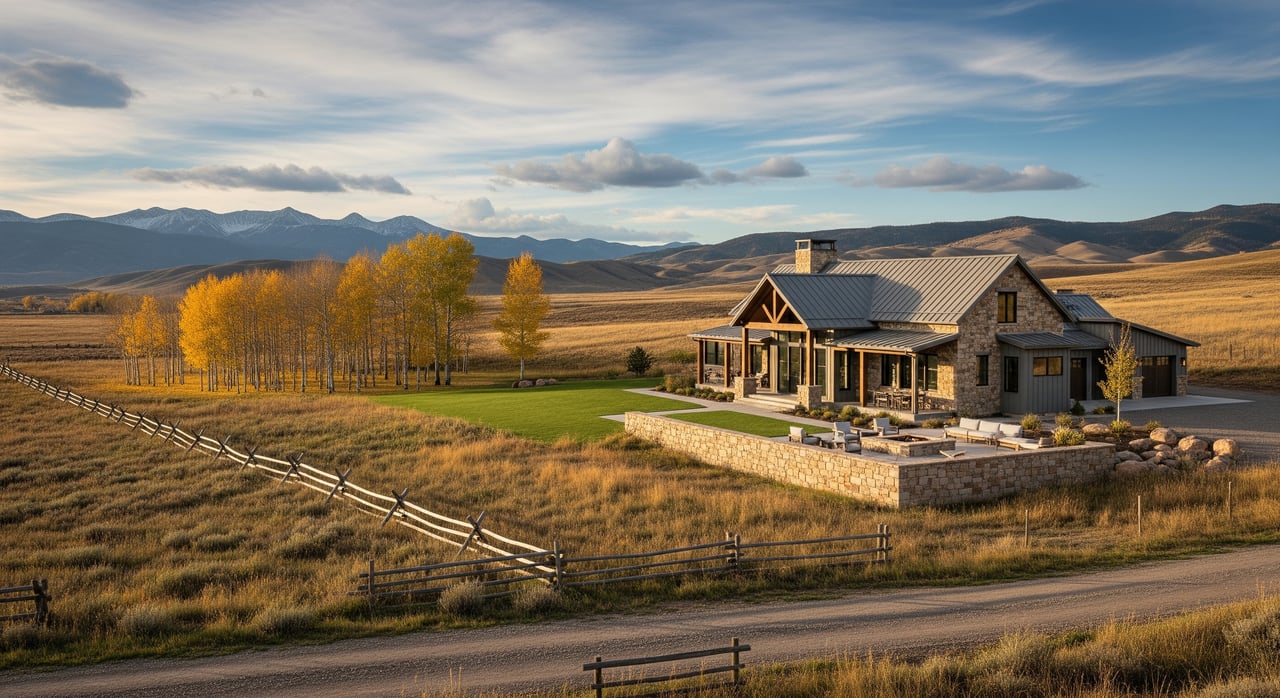
Ever wondered what daily life feels like on a few acres in Penrose? You picture big skies, room for animals, and a garden that keeps your hands busy. The rhythm is beautiful, but it works best when you plan with the seasons. Here’s how the year typically flows in Penrose so you can sync your routines, protect your investment, and enjoy the lifestyle. Let’s dive in.
Spring: Start-up and planting
Spring is your restart. You walk fence lines, pick up windblown debris, and fix gates that shifted over winter. Corrals and barns get a quick safety check before animals spend more time outside. A simple tool kit, spare wire, and a post pounder save time right away.
Irrigation is an early priority. If your acreage uses a ditch system, you coordinate with the ditch company and neighbors to inspect headgates, laterals, and timing. On a well, you test the pump, check pressure, and schedule service before summer demand. A quick septic look for winter settling or wet spots helps you avoid mid-season issues.
Gardening begins with cool-season crops after the risk of hard freezes fades. The last frost date can swing in this valley setting, so you use local guidance and watch the forecast closely. Prune fruit trees and grapevines before strong growth, and feed the soil with amendments based on a simple test. If you keep livestock, spring vaccinations and parasite control keep your herd healthy for the long days ahead.
Summer: Water, hay, and fire readiness
Summer days start early and often end with a sunset walk. Water management takes center stage. Pastures, gardens, and orchards need frequent moisture in the semi-arid heat. Ditch users follow water calls and schedules, while well users keep an eye on pump performance and energy use. A consistent plan and timers help you avoid waste.
If you produce hay, you plan cutting and baling around heat pulses and afternoon storms. Ventilated storage protects bales from monsoon bursts. If you buy feed, you secure supply and shelter now rather than scrambling mid-winter.
Pasture rotation keeps grass healthy, and you stay ahead of noxious weeds using county guidance. Wildfire risk rises in hot, dry stretches, so you keep defensible space clear, mow around structures, clean roofs and gutters, and stage hoses or tanks where they are easy to reach. Having a simple family evacuation plan adds peace of mind when winds pick up.
Fall: Harvest and winter prep
Fall is your catch-up and seal-it season. You bring in the last hay, cover equipment, and move feed under roof. It’s the time to seed bare spots in pastures and address any irrigation repairs while the ground is dry.
Winterizing water systems is essential. You drain or blow out above-ground lines, insulate exposed pipes, and put backflow devices to bed. Fuel and equipment checks come next. You schedule propane fills, service the furnace or stove, and tune generators. If you plow, you sharpen blades and set gear where you can reach it during the first surprise snow.
Fence repair and predator deterrence help you avoid winter losses. Fall hunting seasons also shape local traffic and access, so you post property lines clearly and plan weekend projects with that in mind.
Winter: Quiet work and readiness
Winter slows outdoor chores but rewards good planning. You track storm patterns, keep driveways clear, and maintain vehicles with full tanks and winter kits. On private roads or shared easements, you follow your maintenance agreement so everyone can get out after a storm.
Heating takes focus. You monitor propane levels, manage wood piles, and protect pipes during cold snaps. Livestock need close attention to waterers and windbreaks. Simple routines like knocking ice, adding bedding, and inspecting shelters go a long way.
You also use this time for planning and paperwork. You schedule spring contractors, map next year’s garden, check insurance, and work through any improvement permits you will need. A stocked pantry and basic emergency plan help you ride out brief periods of isolation.
Know your land’s systems
Acreage life in Penrose runs on a few key systems. Understanding these before you buy or as you settle in keeps the experience smooth.
Water: Wells, ditches, and irrigation
Water is the most critical factor on most parcels. Some properties have adjudicated surface rights delivered through a ditch. Others rely on a permitted well. Timing, quantity, and rules vary by source. Confirm any water rights, ditch company records, well permits, and required augmentation plans before you close. A quick review with a local water professional is a smart step.
Day to day, you manage irrigation with the weather. You monitor ditches and headgates, check pumps and filters, and adjust schedules during heat waves or when monsoon moisture gives you a break. Simple habits like mulching, shade, and drip systems can reduce demand.
Septic and sanitation
Most rural homes use a septic system. Permits, sizing, and setbacks matter for expansions and remodels. Plan inspections and any replacement work for drier months when excavation is easier. Keep heavy vehicles off leach fields, pump on schedule, and watch for wet spots or odors that signal issues.
Utilities and internet
Expect regional electric service with occasional outages during storms. Many owners keep a backup generator and fuel on hand. Heat sources include propane, electric, and wood. Internet and cell coverage vary by location, so you confirm providers and speeds before you commit to remote work.
Access and roads
Acreage access ranges from county roads to private roads and shared easements. Maintenance responsibility differs, and snow removal can be a shared or owner task. Clarify agreements and equipment needs, and position plows or contractors before the first real storm.
Wildfire risk and mitigation
Penrose sits in a region with seasonal wildfire risk. You create defensible space, remove ladder fuels, and favor fire-resistant materials when you update roofs or decks. Keep water sources and tools easy to reach. Local programs and guidance can help you plan and even fund mitigation work.
Zoning, animals, and permits
Before you add animals or build a barn, verify county zoning, allowable uses, and setbacks. Some parcels include covenants or conservation easements that shape what you can do. A quick call up front saves time and cost later.
Lifestyle and community rhythm
Outdoor recreation
The Arkansas River corridor sets the tone for summer weekends. Residents and visitors float, fish, hike, and climb. You plan errands and trail days with that in mind, especially when events and peak flows bring more people to the valley.
Community services and routines
You live close to small towns with seasonal hours and a friendly pace. Big errands, medical visits, and feed runs work best when you batch them. You map drive times to Cañon City or Florence, and you keep a short list of local contractors plus their typical seasonal lead times.
Quick seasonal checklist
Use this as a starting point, then adapt it to your property.
Spring
- Walk fences, corrals, and gates; repair and tighten.
- Test well pump and septic; schedule service if needed.
- Inspect ditches, headgates, pumps, and lines; coordinate with water users.
- Prune trees, prep soil, and start cool-season planting.
- Handle livestock vaccinations and parasite control.
Summer
- Set irrigation schedules; inspect pumps, filters, and timers.
- Cut, bale, and store hay or lock in feed deliveries.
- Rotate pastures and tackle noxious weeds early.
- Maintain defensible space and stage fire tools and water.
- Plan river days and projects around heat and storms.
Fall
- Finish hay and equipment storage; seed bare pasture spots.
- Drain or blow out irrigation lines; insulate exposed pipes.
- Schedule propane, service heaters and generators, prep snow gear.
- Repair fences and deter predators before winter.
- Confirm contractors for any winter or spring projects.
Winter
- Keep driveways clear; follow road maintenance agreements.
- Monitor heat, fuel levels, and pipe protection.
- Check livestock waterers, bedding, and windbreaks.
- Refresh emergency kits for vehicles and home.
- Plan next year’s garden, improvements, and permit needs.
Ready to make Penrose acreage work for you?
When you understand the seasonal flow, acreage life becomes rewarding and predictable. If you want help matching your goals to the right water setup, access, and improvements, reach out to Ruthie Grainger. You will get hands-on guidance, local context, and a clear plan for living well on your land.
FAQs
What is the best season to move into a Penrose acreage?
- Late summer or early fall often gives you time to settle, winterize systems, and plan improvements before snow and deep freezes.
How does irrigation work on properties with ditch rights in Penrose?
- Ditch companies manage schedules and flows; you coordinate headgate timing, maintain laterals, and follow water calls that can affect when and how much you receive.
What should I ask about a well before buying in Fremont County?
- Verify the well permit and recorded details, test pump performance and water quality, and learn about any required augmentation plans.
Who maintains winter road access to rural homes near Penrose?
- It depends on your road type; county roads are maintained by the county, while private roads and easements rely on owners under written agreements.
How reliable is internet on acreage in the Penrose area?
- Service varies by location; confirm providers, speeds, and data caps during due diligence, and budget for satellite or fixed wireless if needed.
What wildfire mitigation steps should a new owner take first?
- Clear defensible space, remove dry fuels near structures, clean roofs and gutters, and stage hoses or tanks where responders can access them quickly.
