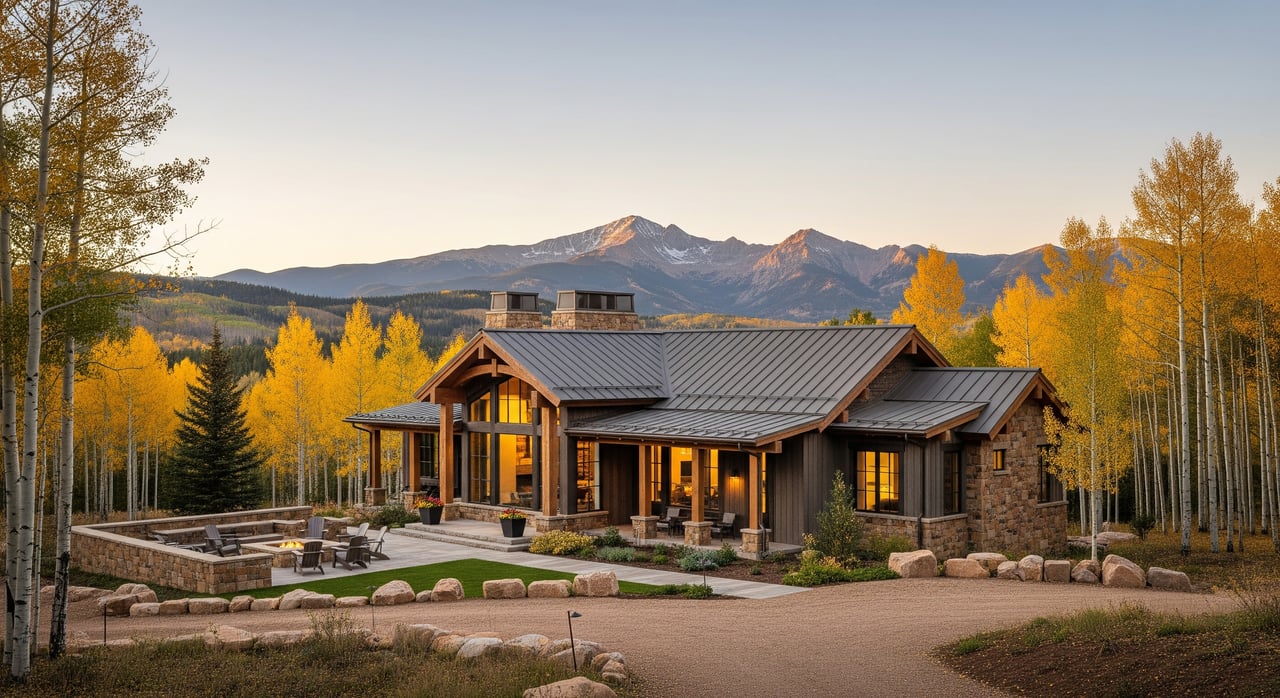
Dreaming of fresh mountain air and starry nights? If you’re relocating to Divide, you’re choosing a rural, high-elevation lifestyle that rewards planning and a bit of grit. Your first year will feel easier when you know how housing, utilities, weather, and daily life actually work in Teller County. This guide walks you through what to expect and how to prepare, with a practical timeline you can follow from move-in through month twelve. Let’s dive in.
Quick orientation to Divide
Divide is a rural, unincorporated community in Teller County on U.S. Highway 24 between Woodland Park and the Florissant/Cripple Creek corridor. You’ll find a mountain-town feel with limited suburban-style services.
Woodland Park is a short drive for most day-to-day needs. Colorado Springs is the nearest large city and hub for hospitals, major shopping, regional employers, and air travel.
Outdoor recreation shapes local life. You’re close to Pike National Forest, state parks, and national monuments such as the Florissant Fossil Beds. Hiking, fishing, hunting, OHV trails, and winter recreation are part of the rhythm of the seasons.
Because Divide is unincorporated, Teller County manages land-use planning, building permits, code enforcement, and most county road maintenance. Get familiar with county departments early so you can plan improvements, understand setbacks, and confirm what is allowed on your property.
Housing and land basics
Property types you’ll see
You’ll see everything from modest cabins and single-family homes to larger acreage parcels and forested lots. Some homes are seasonal or second homes, while others are set up for year-round living. Expect a mix of newer, conventional construction and older cabins. Many properties have private driveways, outbuildings, and limited municipal-style infrastructure.
Utilities and infrastructure checklist
Set realistic expectations for rural services and confirm details for each property you consider.
- Water: Many homes rely on private domestic wells. Verify the well’s existence, permit status, and performance. Some older subdivisions may have a community water system.
- Wastewater: Septic systems are common. Ask for permit records, age, capacity, and inspection results. Replacements and setbacks can be costly, so understand the system before you buy.
- Electricity: Regional providers and rural electric cooperatives serve the area. Overhead lines are common, and outages can occur during storms.
- Heating fuel: Natural gas is not universal. Many homes use propane, wood, or electric heating. If propane is present, confirm tank ownership or lease and delivery arrangements.
- Internet and phone: Broadband is uneven. Options may include DSL in pockets, fixed wireless, satellite, and variable cellular coverage. Test connectivity on site.
- Trash and mail: Trash is typically handled by county or private haulers. Many addresses rely on rural delivery or a local post office box. Confirm how your address will receive mail.
Title and access considerations
Mountain properties often come with unique access and use details. Before you commit, have your title company and agent confirm:
- Recorded easements for driveways and shared access roads
- Road maintenance agreements on private roads
- Any mineral rights reservations or encumbrances
- Covenants or HOAs that set use standards
- Zoning rules and setbacks if you plan additions, outbuildings, or short-term rentals
Permits and county rules
Teller County sets the ground rules for land use, permits, and code compliance in Divide. If you plan to add a garage, expand a deck, install a new stove, or build an outbuilding, review county requirements early. Permit timelines can span weeks to months, so build this into your planning.
Smart inspections before you buy
A rural mountain purchase benefits from a few extra checks. Ask your agent to coordinate appropriate inspection windows and due-diligence items.
- Well test and permit verification
- Septic inspection, pumping records, and county permit compliance
- Full title search for easements, access, and mineral rights
- Driveway suitability for winter, steepness, and snow storage
- Roof, insulation, and structure checks for snow load and freeze-thaw
- On-site cell signal and internet speed tests
Living with the seasons
Weather and roads
Divide experiences warm summers, crisp falls with fast temperature swings, and cold, snowy winters. Snow, ice, and freeze-thaw cycles affect roads, roofs, and plumbing. Winter storms can make travel difficult, and traction or chain advisories are part of life. Build extra commute time into your schedule and keep your vehicle winter-ready.
Wildfire readiness
Wildfire is a year-round consideration in Colorado’s mountains. Create defensible space around your home, keep roofs and gutters clear, and choose ember-resistant landscaping where possible. Learn your local evacuation routes and sign up for county alerts.
Power outages and backups
Storms and downed lines can cause outages. Many residents plan for backup options, such as generators, wood stoves, and battery backups. Keep essential supplies on hand and know where your breaker panel and water shut-off valve are located.
Wildlife awareness
You may see deer, elk, and bears. Follow bear-safe practices, including secure trash storage and careful use of bird feeders and outdoor food sources. Good habits protect both you and wildlife.
Daily life and services
Schools and buses
Divide falls within nearby district boundaries, with students commonly traveling to Woodland Park for most K–12 schools. Review enrollment steps, bus routes, and after-school care options early in your move.
Healthcare and emergency care
You can find routine care and urgent clinics in Woodland Park. For hospitals, surgical specialists, and major emergency services, many residents travel to Colorado Springs. Confirm ambulance-accessible routes to your property.
Shopping and dining
Plan to handle most grocery, hardware, and service trips in Woodland Park. For broader retail and specialty items, schedule occasional runs to Colorado Springs. Local dining and entertainment options are limited compared with urban centers.
Work and commuting
Local jobs tend to be in retail, tourism, small businesses, and public services. Many residents commute to Woodland Park or Colorado Springs. U.S. Highway 24 is the main corridor, and winter weather or incidents can add time, so factor this into your routine.
Your first-year timeline
Before closing
- Confirm utilities and fuel sources. Know your electric provider, water source, septic details, and heating fuel. Arrange final meter reads and propane service if needed.
- Test cell and internet on-site. If fixed options are weak, secure a satellite or backup plan.
- Verify winter access for moving trucks. Confirm driveway length and turnarounds and obtain any gate codes.
- Request copies of permits, septic and well records, covenants, and recent utility bills from the seller.
First 0–30 days
- Change your address and confirm USPS delivery method or PO box.
- Meet your local fire district, review evacuation routes, and sign up for county alerts.
- Schedule septic inspection or cleaning and check the well pump and pressure tank.
- Locate the main water shut-off and breaker panel and label key circuits.
- Set up trash service and learn bear-safe storage rules.
- Review your homeowner’s insurance for wildfire, snow load, and outage coverage and confirm any mitigation requirements.
Days 30–90
- Complete winterization tasks if you moved in warm months. Check insulation, sweep chimneys, and test generators.
- Join community groups or neighborhood associations to learn local practices and meet neighbors.
- Drive your commute routes at different times and in varying weather to set expectations.
Months 3–12
- Implement wildfire mitigation. Create defensible space and address dead or beetle-kill trees as needed.
- Plan energy-efficiency upgrades for high-elevation heating loads. Consider insulation improvements and system tune-ups.
- Review long-term access needs. Evaluate driveway grading, drainage, and road maintenance agreements.
- If you plan additions or new structures, begin Teller County permit conversations early to allow for review timelines.
Cost and maintenance realities
Mountain living comes with higher routine maintenance. Build a budget and schedule for:
- Snow removal and traction materials
- Roof and gutter clearing after storms
- Septic servicing and repairs
- Generator maintenance and fuel
- Driveway grading and drainage
- Tree work and wildfire mitigation
A proactive plan helps you prevent small issues from becoming major costs.
How we help you settle in
If you want a smooth first year in Divide, partner with a local who understands land, access, and mountain systems. At Gold District Realty, you get place-based guidance from professionals who work daily across Teller County’s residential, land, ranch, and acreage markets. We help you evaluate property features like wells, septic systems, access, and seasonal conditions so you can make confident decisions. When you are ready to find the right home or land in Divide, reach out to Ruthie Grainger for local insight and a clear plan.
FAQs
Is natural gas available in Divide homes?
- Natural gas lines are not universal. Many homes use propane, wood, or electric heating. Confirm the system, fuel type, and any propane tank lease before you buy.
Will I have reliable internet and cell service in Divide?
- Connectivity varies by location. Test cell signal and internet speeds on-site and consider fixed wireless or satellite options if wired service is not available.
How serious is wildfire risk around Divide?
- Wildfire is a real consideration in Colorado mountain communities. Create defensible space, maintain roofs and gutters, and learn local evacuation routes and alerts.
Do most properties use wells and septic systems?
- Yes, many homes rely on private wells and septic. Verify well permits and performance and get a septic inspection and permit check during due diligence.
What should I expect for commute times to Colorado Springs?
- Many residents commute to Colorado Springs. Times vary with destination and weather. Winter storms or highway incidents can add significant time.
What extra maintenance should I budget for in the first year?
- Plan for snow removal, roof and gutter clearing, septic servicing, generator upkeep, driveway grading, and periodic tree work for wildfire mitigation.
