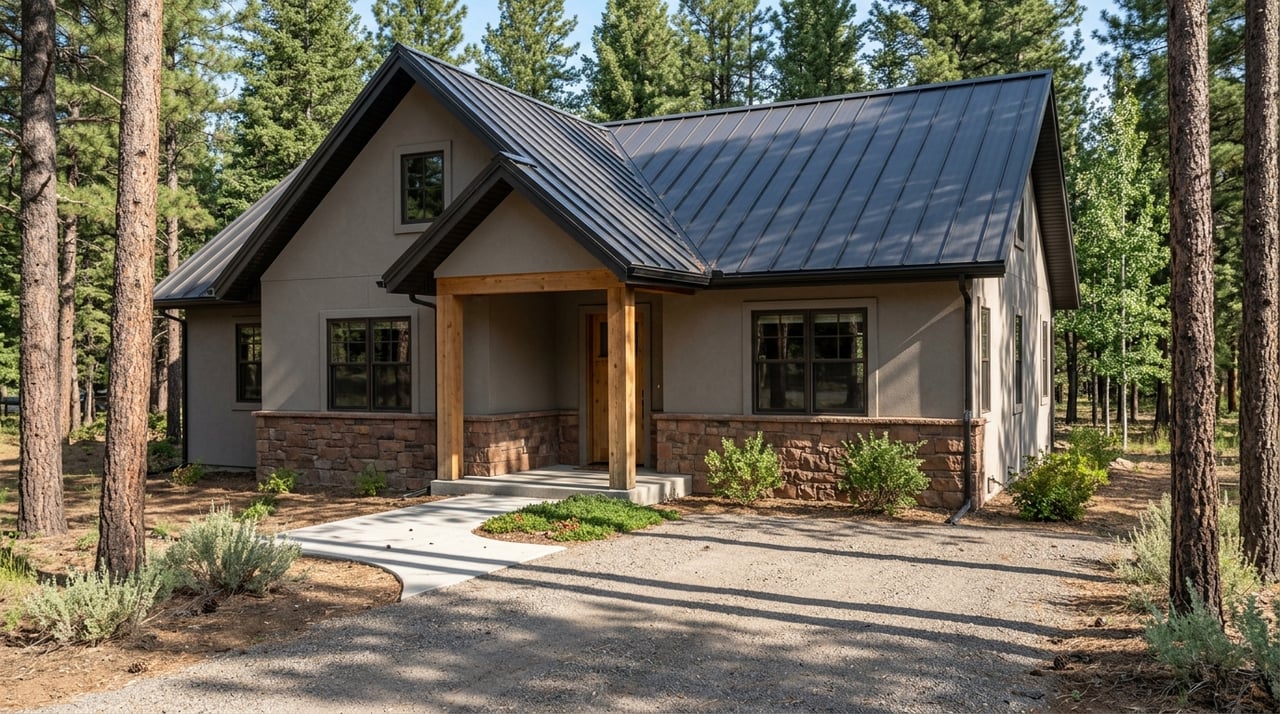
If you are selling a remote property in Divide, your buyer may fall in love long before they ever turn onto the road. That is especially true in a mountain market where many buyers live outside the area and need to decide from a distance whether a showing trip is worth their time. The good news is that the right marketing can answer those questions early, build trust fast, and help your property stand out for the right reasons. Let’s dive in.
Why Divide listings need a different approach
Divide is not a typical suburban market. It is a rural mountain community in Teller County, set on 9,165-foot Ute Pass about 25 miles west of Colorado Springs, and it is often associated with rustic cabins, ranches, acreage, and mountain homes.
That setting is a major part of the appeal. Nearby recreation like Mueller State Park and Florissant Fossil Beds National Monument helps shape buyer interest, especially for people looking for a cabin, land, or a second-home retreat with room to breathe.
Because of that, marketing a remote Divide property is never just about the house. You also need to show the land, the access, the views, and the day-to-day realities of owning property in this part of Teller County.
Why out-of-area buyers shop online first
For many buyers, the first showing happens on a screen. The National Association of Realtors reported in 2024 that 52% of buyers found the home they purchased on the internet.
That same report found the most useful online features were photos, detailed property information, floor plans, virtual tours, and interactive maps. It also found that 59% of buyers said finding the right property was the hardest step in the process.
For a remote Divide listing, that tells you something important. Your online presentation has to do more than create interest. It has to help buyers decide whether the property truly fits their goals before they make the drive or book a flight.
What remote buyers need to see first
Out-of-area buyers usually ask practical questions earlier than local buyers do. They want to understand not only what the property looks like, but also how it works.
A strong listing package should make those answers easy to find. In a market like Divide, that usually means combining polished visuals with plain-English property details that reduce guesswork.
Professional photos still do the heavy lifting
Photos remain one of the most useful tools for online buyers. Good photography should show the interior clearly, but it should also give equal attention to the exterior, topography, tree cover, driveway approach, outbuildings, and the setting around the home.
For mountain and acreage properties, buyers want context. They need to see whether the cabin sits tucked into the trees, whether the lot feels open or sloped, and how the home relates to the surrounding land.
Floor plans and virtual tours add confidence
Remote buyers often need help picturing flow and scale. A floor plan can answer questions that photos alone cannot, especially when buyers are comparing several properties from different states or cities.
Virtual tours can also help narrow interest. If a buyer can understand layout, room sizes, and finish level online, they can make a more confident decision about scheduling an in-person visit.
Maps matter more in rural property marketing
In a remote market, maps are not a nice extra. They are part of the core listing story.
Teller County offers online mapping tools including a Parcel Map, a 2025 Residential Qualified Sales Map, and a 2025 Vacant Land Qualified Sales Map. These tools help provide local reference points for parcel boundaries and nearby sales, which can be especially useful for acreage and land listings.
A clear parcel or access map can help a buyer understand shape, scale, and location much faster than a written description alone. It also gives the listing a stronger sense of transparency.
Access details should never be buried
One of the biggest mistakes in marketing remote properties is treating access like a minor footnote. In Divide, access is often one of the first things a serious buyer wants to understand.
If that information is vague, buyers may assume the worst or move on to another listing. Clear access details help qualified buyers stay engaged.
Road type affects expectations
Teller County classifies roads in several ways, including principal arterial, minor arterial, collector, local, and other roads. The county states that "other" roads are public or platted roads that were not built to county standards, and until they are upgraded, the county provides only emergency access and maintenance.
That is a major detail for remote buyers. If a property is reached by one of these roads, your marketing should explain that plainly so buyers can make an informed decision.
Winter access deserves clear explanation
Winter conditions can influence how buyers think about convenience, safety, and seasonal use. Teller County also notes that it does not clear snow in front of mailboxes or mailbox units.
That detail may sound small, but it helps paint a realistic picture of rural ownership. Buyers coming from outside the area often appreciate straightforward information about what winter access and maintenance may look like.
Emergency access matters too
For remote homes and cabins, buyers often want to know whether emergency vehicles can reasonably reach the property. Teller County’s driveway and access guidance makes clear that access is not just a technical issue. It is part of how a property functions.
When sellers provide a plain-English overview of road approach, driveway condition, and known access facts, it can reduce uncertainty and build trust earlier in the process.
Easements and crossings need plain-English notes
Remote properties often come with legal and logistical details that suburban buyers may not expect. One of the most important is whether access crosses land the owner does not legally own.
Teller County states that if access crosses land the owner does not legally own, documented easements are required before a building permit can be issued. The county also notes that federal crossings may require formal authorization from the U.S. Forest Service or Bureau of Land Management.
That means buyers should not be left guessing. If a property has a recorded easement, shared access, or a crossing issue, your listing package should explain it in simple terms.
This does not mean overwhelming buyers with code language. It means translating the facts into a short, readable note so they understand what to review before they travel.
Buildability and infrastructure questions come early
For cabins, land, and remote homesites, buyers often want to know more than square footage and finishes. They may be thinking about future improvements, a second structure, or whether the parcel is practical for their intended use.
Teller County’s building permit pages separately list applications related to driveway access, septic, site plans, and other permit topics. That is a good reminder that in Divide, infrastructure details are often part of the buying decision from day one.
A thoughtful listing can mention what documentation is available and what buyers may want to verify. That type of transparency helps filter in serious interest and reduce avoidable surprises.
What a strong Divide listing package includes
For remote Divide properties, the most effective marketing usually combines visual appeal with practical clarity. Buyers need enough information to feel excited, but also enough substance to trust what they are seeing.
A well-prepared package may include:
- Professional exterior and interior photography
- Aerial or drone imagery to show setting and land layout
- A parcel or access map
- Detailed property information in plain language
- Floor plans when available
- A virtual tour when appropriate
- A road and access summary
- A concise note about easements, crossings, or permit status when relevant
- Local record references buyers can review before visiting
This kind of presentation respects the buyer’s time. It also helps your property compete more effectively for out-of-area attention.
Why local guidance still matters
Online marketing gets buyers interested, but local expertise helps them move forward with confidence. The National Association of Realtors also reports that agents remain the most useful information source during the search process.
That matters even more in a market like Divide. Rural roads, parcel boundaries, county maintenance, easements, and land-use records are easier to understand when someone local can help explain what is standard, what needs a closer look, and what questions to ask next.
For sellers, that means the best strategy is not just broad exposure. It is broad exposure paired with accurate, grounded local presentation.
How better marketing helps sellers
When your property is remote, buyers often need more information, not less. If they cannot get that clarity online, they may skip the listing entirely or delay reaching out.
A stronger marketing package can help attract better-matched buyers, cut down on confusion, and make in-person showings more productive. It can also support your asking price by showing the full value of the setting, access, and land features instead of leaving buyers to fill in the blanks themselves.
In a place like Divide, polished marketing and honest property details work best together. That balance helps buyers imagine the lifestyle while giving them the facts they need to move with confidence.
If you are preparing to sell a cabin, acreage parcel, or mountain home in Divide, working with someone who understands both digital presentation and on-the-ground property realities can make a real difference. Connect with Ruthie Grainger to create a listing strategy that speaks clearly to out-of-area buyers and showcases what makes your property worth the trip.
FAQs
What should out-of-area buyers know about a remote property in Divide?
- Out-of-area buyers usually want clear details about photos, floor plans, maps, road access, winter conditions, easements, and available county records before deciding to visit.
Why are maps important when marketing Divide properties?
- Maps help buyers understand parcel boundaries, access routes, and the property’s overall setting, which is especially important for acreage, land, and rural homes.
How does Teller County road classification affect a Divide listing?
- Teller County classifies roads by type, and some "other" roads may receive only emergency access and maintenance until upgraded to county standards, so buyers need that detail early.
What do buyers need to know about easements for rural Divide properties?
- If access crosses land the owner does not legally own, Teller County says documented easements are required before a building permit can be issued, so recorded access details should be explained clearly.
Why does winter access matter for remote homes in Divide?
- Winter access can affect convenience and property use, and Teller County notes it does not clear snow in front of mailboxes or mailbox units, which helps buyers understand rural maintenance expectations.
What makes a strong online listing package for a Divide home or land listing?
- The strongest packages usually combine professional photos, detailed property information, floor plans, virtual tours, maps, and plain-English notes about access, easements, and infrastructure when relevant.
