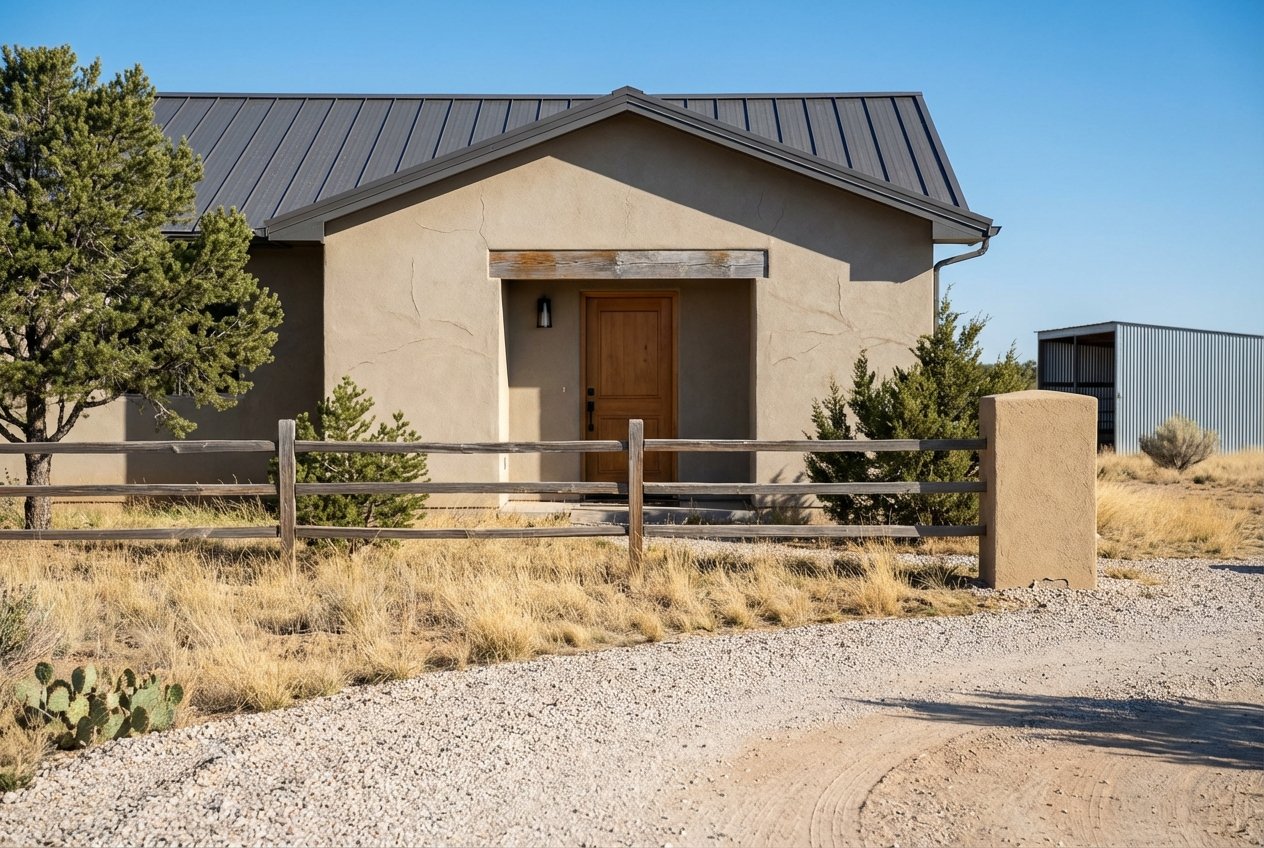
Thinking about selling your Penrose acreage can stir up a lot of questions. Maybe the fences and barns need more attention than you have time for, or you’re watching the market and wondering if buyers are still out there. You want a clear read on timing, what to fix first, and how to price land that isn’t like anything else on your road. In this guide, you’ll get local market signals, a practical prep checklist for pasture, wells and septic, outbuildings and photos, plus pricing and marketing tips tailored to Penrose. Let’s dive in.
Penrose market at a glance
Penrose has held value well compared with some nearby towns. Recent snapshots show a median sale price around $429,250 and up roughly 11.5% year over year. At the same time, county indicators point to a softer environment than the 2020–2022 peak, and days on market often run longer than metro Denver. In short, pricing discipline and clean presentation matter.
Buyer interest comes from two main groups. You’ll see hobby farmers and equestrian owners looking for usable pasture and working facilities. You’ll also see recreation-minded buyers tied to the Arkansas River and Royal Gorge corridor, plus retirees and remote workers attracted to rural living. Your listing should speak to both by clearly stating utilities, well and septic details, irrigation or ditch access, pasture condition, fencing, and road access.
Signs it may be time to sell
Personal or financial goals
Life changes are valid reasons to sell. Retirement, a move to be closer to family, or a shift in how you use the property can all make now the right time. If holding costs feel heavy, it might be smart to capture your equity and reallocate.
Property and systems strain
Recurring well or septic issues, failing fences, or aging barns are real signals. A single unresolved well or septic problem often complicates financing and lengthens time on market. If you have gaps in your water well file, start with the Colorado Division of Water Resources’ searchable well permit tool. For septic, Colorado’s Regulation 43 sets the framework for on-site wastewater; review state guidance on the CDPHE OWTS page.
Market conditions
Rising mortgage rates and tighter lending can shrink the financed buyer pool for rural properties. Regional coverage has highlighted cooling price growth in the Denver area, which can ripple into outlying markets over time. For context, see Axios’ note on cooling metro Denver prices.
Equity and carrying costs
If your taxes, insurance or private road assessments are rising, run the math against current equity. Checking your assessed value and any available exemptions early is smart. The Fremont County Assessor provides valuation and protest guidance.
Get sale-ready: a Penrose acreage checklist
Pasture and water basics
Buyers notice safe, usable paddocks and clear access right away. Before photos and showings:
- Repair or replace broken fence boards and wires. Confirm gates swing and latch smoothly.
- Mow or graze to a tidy, uniform height and remove visible trash or manure piles around high-visibility areas.
- Walk the perimeter and clear vegetation from gates and corrals. Safety and usability boost perceived value.
For quick, practical pasture guidance, the NRCS explains why sound fencing and functional stock water are high-impact improvements. See the NRCS overview on range and pasture and ATTRA’s primer on adaptive grazing and pasture care.
Weed control can be a visible win. Identify and treat noxious weeds early. If you are listing soon, focus on containment, mowing, and a clean presentation rather than full reseeding.
Water and irrigation details matter. If you depend on a ditch, note the company and turn schedule and gather any written delivery agreements. If you use a well, assemble your DWR well permit, construction report, and any recent pump tests. Buyers and lenders often request this documentation, and having it ready reduces friction. You can search for records with the DWR WellPermits tool.
Barns, sheds and working facilities
A clean, safe look keeps buyers engaged. Remove hazards like broken skylights, dangling wiring and protruding nails. Fix doors and gates so they open and close easily. For small ranches, a functional corral or handling pen adds appeal without a major rebuild.
Create a simple documentation folder. Include any building permits, recent repair invoices, and notes on ages and service for mechanicals like pumps and generators. This lowers uncertainty and can protect your price.
House, septic and well
Septic systems are a common holdup. Gather the septic permit, any as-built drawings, maintenance records and the last pump or inspection date. Colorado’s Regulation 43 governs on-site wastewater; start with the CDPHE OWTS page and confirm any Fremont County transfer inspection requirements.
For wells, pull your permit and well construction or pump test reports. The DWR well search is here: WellPermits tool. If records are missing, talk with your agent about ordering current tests so buyers have reliable data.
Utilities and connectivity can be dealmakers. Document your electric provider, propane arrangements, internet options and average utility costs. Note load-bearing facts like septic design capacity and well yield in gallons per minute.
Title, survey and easements
Order or locate a recent boundary survey. Ask your title provider for a preliminary title report if you plan to list soon. Identify recorded easements for access, pipelines or irrigation ditches and clarify any mineral reservations. Buyers of acreage are sensitive to surprises. For county offices and planning contacts, check Fremont County’s department and agency directory.
Considering conservation? Some parcels already have conservation easements that affect use and value. If you’re evaluating options, the Colorado Cattlemen’s Agricultural Land Trust offers eligibility guidance for landowners. Learn more about conservation easement eligibility.
Photos, mapping and showings
Invest in clean, high-resolution photos and a simple aerial overview that shows access points, building pads, water features and usable pastures. Land buyers shop visually, and drone shots reduce questions. In your listing, be up front about access type, utilities, well yield, and any irrigation or ditch rights. During showings, secure animals and, if possible, move livestock off the main viewing pastures.
Price it right for acreage
Why instant values miss the mark
Automated valuations often rely on tract-home comps and public records that miss water rights, ditch access, mineral reservations and usable acres. Error margins tend to be larger in rural, mixed-use markets. If you use an instant estimate, treat it as a starting point. For a clear explanation of AVM limits, see this overview on automated estimate accuracy.
A simple pricing plan
- Step 1: Get a quick automated estimate to set a ballpark, then pair it with a local broker opinion of value that accounts for well and septic documentation, irrigation, access and usable acres.
- Step 2: For complex or higher-value parcels, consider a farm-and-ranch–experienced appraisal to tighten the range.
- Step 3: Protect your price with transparency. Include your well permit, pump or yield data, septic records, survey and deed in a clean pre-listing packet. Direct buyers to the DWR WellPermits tool and the CDPHE OWTS guidance during due diligence.
Marketing that reaches real buyers
- MLS plus land portals. MLS exposure reaches agented buyers. Specialized land sites bring engaged acreage buyers who expect clear facts. Many sellers syndicate to portals like LandSearch; review a local example on LandSearch to see how photos and essentials are presented.
- Local outreach. Targeted mailers to adjacent landowners, conversations at farm and feed stores, and regional social groups can surface buyers quickly. Offering flexible terms or owner financing can expand your pool for hard-to-finance land. For more tactics, see these land marketing tips.
- Timing. Spring typically draws more land and acreage activity because properties show well and access is easier. In Penrose, coordinate listing and showings with ditch turn schedules and seasonal road conditions.
What buyers will ask you
Buyers will want straight answers and documents to back them up. Be ready for:
- Well: Do you have the well permit, construction report and recent pump or yield test? Point to the DWR WellPermits search if needed.
- Septic: Is there a permit, an as-built, the last service date and records of any repairs? Share state rules from the CDPHE OWTS page.
- Water and irrigation: What ditch are you in, what is the delivery schedule, and do irrigated acres convey? Provide written confirmations if you have them.
- Access and easements: Is access county maintained or private, and who pays for road work? Share recorded easement documents.
- Restrictions: Any conservation easements or use limits? Disclose early and provide the recorded documents.
Local resources and next steps
- Property valuation and taxes: Fremont County Assessor
- County planning and building contacts: Fremont County departments directory
- Well records, permits and guidance: DWR WellPermits tool
- Septic rules and transfer programs: CDPHE OWTS
- Pasture and conservation practices: NRCS range and pasture and ATTRA adaptive grazing
- Conservation easement questions: CCALT eligibility
Ready to move forward? Here is a simple plan you can start this week:
- Pull your well and septic files and start a listing folder. Use the DWR WellPermits search and gather any pump tests or service invoices. Confirm septic records and schedule an inspection if you are unsure.
- Locate a recent survey and contact a title provider for a preliminary title report. Note any easements or mineral reservations.
- Do quick, high-impact fixes: fence and gate repairs, mowing, clutter removal in barns and around the house. For pasture presentation, reference ATTRA’s practical tips.
- Get an initial valuation, then sit down with a land-savvy local agent to refine your price and marketing plan for both utility-focused and recreation buyers.
If you want a grounded read on the Penrose market and a step-by-step plan, reach out for a local opinion of value and a tailored prep checklist. Connect with Ruthie Grainger for a no-pressure consult and to get an instant property valuation.
FAQs
What is the Penrose, CO acreage market doing right now?
- Recent snapshots place Penrose’s median sale price near $429,250 with year-over-year growth, while county trends show a softer market and longer days on market than metro Denver. Pricing and clean presentation are key.
Which documents should I assemble before listing an acreage in Fremont County?
- Gather your DWR well permit and any pump or yield tests, septic permit and last service date, recent survey, deed, any irrigation or ditch agreements, recorded easements, mineral reservations and basic utility information.
How do ditch rights and irrigation affect my sale?
- Ditch membership, delivery schedule and whether irrigated acres convey can influence value and buyer confidence. Document your ditch company details and any written delivery agreements, and include them in your listing packet.
Will a failing septic or missing well records derail my transaction?
- It can. Undocumented or failing systems often complicate financing and extend timelines. Get ahead by pulling DWR well records via the WellPermits tool and reviewing state septic rules at CDPHE OWTS.
What marketing works best for Penrose acreage near the Arkansas River and Royal Gorge?
- Use MLS plus specialized land portals like LandSearch, combine strong photos and drone overviews with clear facts on access, utilities and water, and add targeted local outreach to reach hobby ranchers and recreation buyers.
When is the best season to list my Penrose acreage?
- Spring usually brings more activity and better visuals, but the right window depends on your access conditions, pasture presentation and irrigation schedule. A well-prepared off-season listing can still perform with the right price and marketing.
