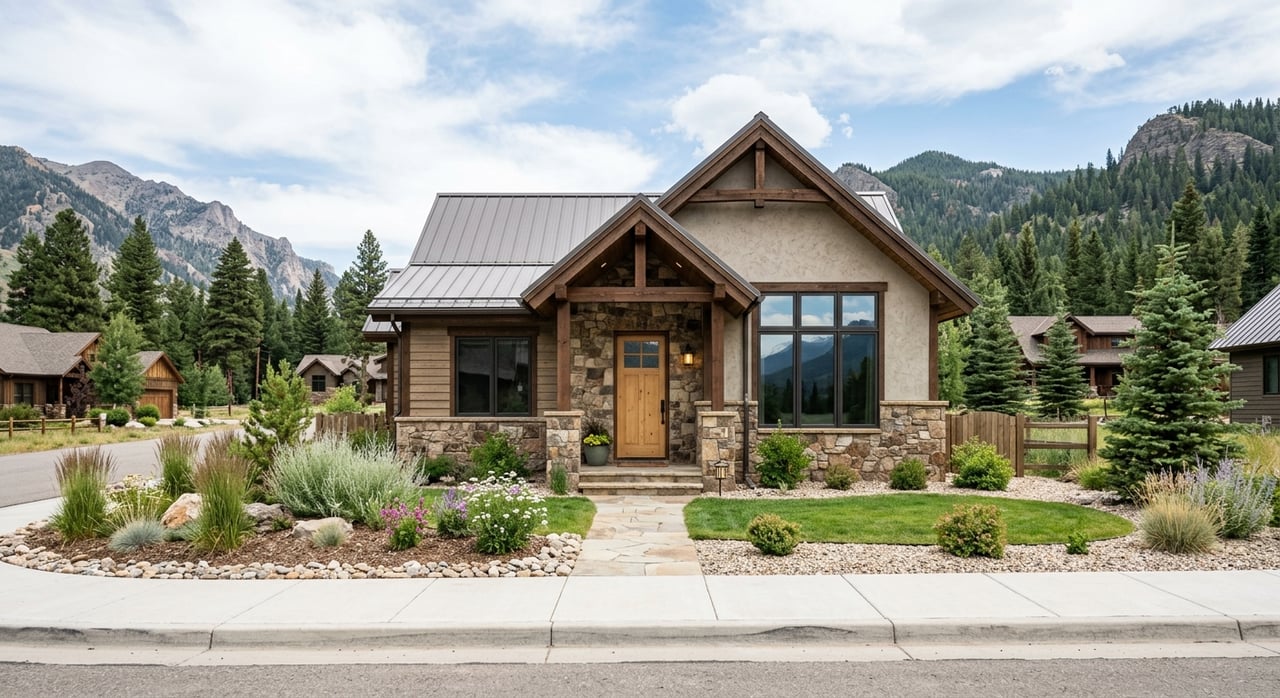
Trying to choose between an in-town home and a forest estate in Woodland Park? It is one of the most important lifestyle decisions you can make in the 80863 area, because these two settings can feel very different day to day. If you want a clearer way to weigh convenience, privacy, utilities, roads, and recreation before you buy or sell, this guide will help you sort through the tradeoffs. Let’s dive in.
Why This Choice Matters in Woodland Park
Woodland Park sits at 8,465 feet and serves as a gateway to Pikes Peak and Pike National Forest. That means you can find homes with a more connected, town-centered feel as well as properties that lean into mountain space and seclusion.
Locally, “in-town” usually means living closer to the municipal core around South Avenue, where key city services are concentrated. “Forest estates” often refers to homes on the outskirts, where properties may fall in unincorporated Teller County and come with a different set of ownership and maintenance realities.
In-Town Woodland Park at a Glance
If your goal is to simplify everyday life, in-town Woodland Park may be the stronger fit. The city’s services, parks, and recreation activity are clustered in a compact area, which can make errands and routines feel more manageable.
Woodland Park’s Parks and Recreation system is active for a town its size. The city reports 66.67 acres of developed parks, 38.37 acres of open space and greenways, 4.61 miles of trails, and more than 4,000 annual recreation participants.
What In-Town Convenience Looks Like
Living in town often means you are closer to city-run services and organized amenities. City Hall, Utilities, and Parks and Recreation all list 220 W South Avenue, and the city describes Meadow Wood Sports Complex as being in the heart of Woodland Park.
For many buyers, that translates into shorter drives for the basics and easier access to local programming. If you like a more predictable routine, that can be a real benefit.
Who Often Prefers In-Town Living
In-town homes can make sense if you want:
- shorter everyday drives
- closer access to municipal services
- city utilities and more standardized infrastructure
- easier participation in parks, sports, and community recreation
This option often appeals to buyers who want mountain living without taking on as many rural property variables.
Forest Estates at a Glance
Forest estates around Woodland Park usually offer a different kind of value. Instead of prioritizing quick errands and a more centralized setting, these properties often offer more privacy, more tree cover, and a quieter feel.
That extra space can be especially appealing if you are looking for a mountain lifestyle property, second home, or larger-lot setting. It can also be a strong fit if recreation access is a major part of how you plan to use the property.
What Forest-Edge Living Can Offer
Woodland Park tourism describes the area as a gateway to Pike National Forest, and nearby recreation opportunities are a big part of that appeal. The Forest Service says the Rampart Range Recreation Area supports OHV riding, hiking, biking, horseback riding, camping, scenic drives, and winter sports.
For the right buyer, that kind of access can be a major advantage. If you picture weekends built around trails, backroads, and outdoor use, a forest estate may line up well with your goals.
Who Often Prefers Forest Estates
A forest estate may be a better fit if your priorities include:
- privacy and a more secluded setting
- larger-lot character
- direct access to mountain recreation
- willingness to manage more rural ownership details
Those details can include county roads, private utilities, wildfire mitigation, and seasonal access limits.
Convenience vs Privacy: The Core Tradeoff
The biggest difference between these two choices is how you want daily life to feel. In-town living tends to support convenience, while forest estates tend to support space and privacy.
That does not mean one is better than the other. It means the right choice depends on whether you value easier routines more than seclusion, or vice versa.
Daily Errands and Civic Access
In-town Woodland Park is generally the better fit if you want shorter everyday errands and a more organized civic rhythm. That conclusion is supported by how municipal services, sports facilities, parks programming, and event-oriented amenities are concentrated in the town core.
If you work from home, manage a busy household, or simply prefer less driving for daily tasks, this can make a noticeable difference over time.
Quiet, Space, and Natural Setting
Forest estates often give you more separation from neighbors and a stronger sense of being in the landscape. That can be a huge draw if your vision of mountain property includes room to breathe and a quieter setting.
Still, privacy usually comes with more hands-on ownership expectations. The farther you get from town infrastructure, the more important it becomes to verify how the property functions in real life.
Utilities and Infrastructure Matter More Than You Think
One of the most practical differences between in-town homes and forest estates is how utilities are handled. This can affect your budget, maintenance, and peace of mind.
In-town homes generally benefit from city water and wastewater systems. Woodland Park’s Utilities Department says its mission is to provide reliable drinking water and advanced wastewater treatment, and the city also notes that seasonal water restrictions are used to conserve supply.
Questions to Ask About Rural Utilities
If you are considering a property on the outskirts, do not assume it works like an in-town home. Teller County’s septic services office handles OWTS and septic matters, and county permit forms reference possible water supply setups such as private wells, cisterns, springs, and community providers.
Before you move forward, make sure you understand:
- whether the property is in city or county jurisdiction
- whether it uses public utilities or private systems
- what water source serves the property
- what septic responsibilities come with ownership
These are not small details. They shape both day-to-day living and long-term maintenance.
Roads, Snow, and Access Can Change Your Experience
Road care is one of the most overlooked differences between in-town and outskirts living. It can affect commute times, winter planning, and even how often you choose to leave the house.
Teller County says its road system covers about 560 miles, including 484 miles of gravel roads, primarily in subdivisions. The county also maintains a separate snow-and-ice removal policy for its road network.
Why Road Maintenance Deserves a Closer Look
If a home is outside the town core, you should confirm who maintains the road and how snow removal works. That is especially important if you commute regularly, travel often, or expect year-round ease of access.
Mountain driving itself is another factor. Colorado’s DMV says drivers should expect steep hills, changing weather, wildlife, rocks, and hidden intersections, and CDOT says winter travel requires preparation and up-to-date road condition awareness.
Commute Expectations Are Not One-Size-Fits-All
Published drive times to Colorado Springs are not perfectly consistent across official tourism sources. One source says about 20 minutes up Ute Pass, while another says 30 minutes from Colorado Springs.
The takeaway is simple: treat commute estimates as general guidance, not a guarantee. The exact route from a specific property matters more than any broad claim.
Recreation Access Is a Major Lifestyle Filter
Many buyers are drawn to Woodland Park because they want easy access to the outdoors. But there is a difference between living near recreation and relying on rough or seasonal access roads to reach it.
For example, Rampart Reservoir Recreation Area is 4.2 miles east of Woodland Park on Rampart Range Road. The Forest Service describes that road as rough, rutted, and washboard, with a 20 mph speed limit, and notes that some watercraft access is seasonally limited.
Seasonal Closures Are Real
If backroad access is part of your ideal lifestyle, pay attention to seasonal patterns. The Forest Service says Rampart Range Recreation Area roads close annually by December 1 and remain closed through winter, with a mud-season closure from April 1 to May 31.
That does not make a forest estate less appealing. It simply means you should match your expectations to the realities of mountain access.
Wildfire Readiness Is Part of Forest Property Ownership
For homes in more wooded settings, wildfire readiness should be part of your decision from the beginning. This is not just a seasonal concern. It is an ongoing part of owning property in or near natural vegetation.
The Colorado State Forest Service says homes in these areas are in the wildland-urban interface and face wildfire risk. It also notes that defensible space and home hardening require ongoing maintenance.
What Buyers Should Plan For
Teller County’s Community Wildfire Protection Plan evaluates wildfire risk, community preparedness, homeowner mitigation, wildfire awareness, and post-fire considerations. If you are looking at a forest estate, ask what mitigation work has been done and what work may still be needed.
This is one area where boots-on-the-ground local guidance can make a big difference. A property’s setting may be beautiful, but it should also be practical for how you plan to care for it.
A Simple Decision Framework
If you are still deciding, start with your daily habits rather than the view alone. The best property is the one that supports how you actually want to live.
Choose in-town Woodland Park if you want convenience, city utilities, closer services, and easier access to organized recreation. Choose a forest estate if you want privacy, larger-lot character, and a more direct connection to mountain recreation, and you are comfortable with added maintenance and access questions.
Your Woodland Park Property Checklist
Before you buy, confirm these points for any home you are seriously considering:
- city or county jurisdiction
- public utilities or private well and septic
- who maintains the road
- how snow removal is handled
- wildfire mitigation needs
- whether nearby forest roads have rough surfaces or seasonal closures
- whether broadband is adequate for remote work
Teller County has developed a broadband plan with local partners to pursue abundant, redundant, and affordable internet service, which makes it especially important to verify service levels in more remote settings.
If you are selling, this same checklist can also help you position your property well. Clear information about utilities, access, road maintenance, and recreation proximity helps buyers understand the home and builds confidence early.
Whether you are drawn to the convenience of town or the space of a forest setting, the best move is the one that fits your lifestyle and your comfort level with mountain property details. If you want local guidance on homes, land, or mountain properties in Woodland Park and the surrounding Teller County area, connect with Ruthie Grainger for relationship-first advice grounded in the realities of this market.
FAQs
What is the main difference between in-town Woodland Park and forest estates?
- In-town Woodland Park usually offers easier access to municipal services, parks, and city utilities, while forest estates often offer more privacy, tree cover, and larger-lot character.
What should you check about utilities on a Woodland Park area property?
- You should confirm whether the property uses city water and wastewater or private systems such as a well, cistern, spring, community provider, or septic setup.
Why do roads matter when buying a forest estate near Woodland Park?
- Roads matter because outskirts properties may be on county-maintained or gravel roads, and snow removal, surface conditions, and year-round access can affect your daily routine.
Are recreation roads near Woodland Park open year-round?
- Not always. The Forest Service says some roads in the Rampart Range Recreation Area close through winter and during mud season, so seasonal access should be verified.
How important is wildfire mitigation for wooded properties in Teller County?
- It is very important because homes in or near natural vegetation face wildfire risk, and defensible space and home hardening require ongoing maintenance.
Should you rely on general commute times from Woodland Park to Colorado Springs?
- No. Official tourism sources list different drive times, so you should confirm the actual route and travel pattern from the specific property you are considering.
