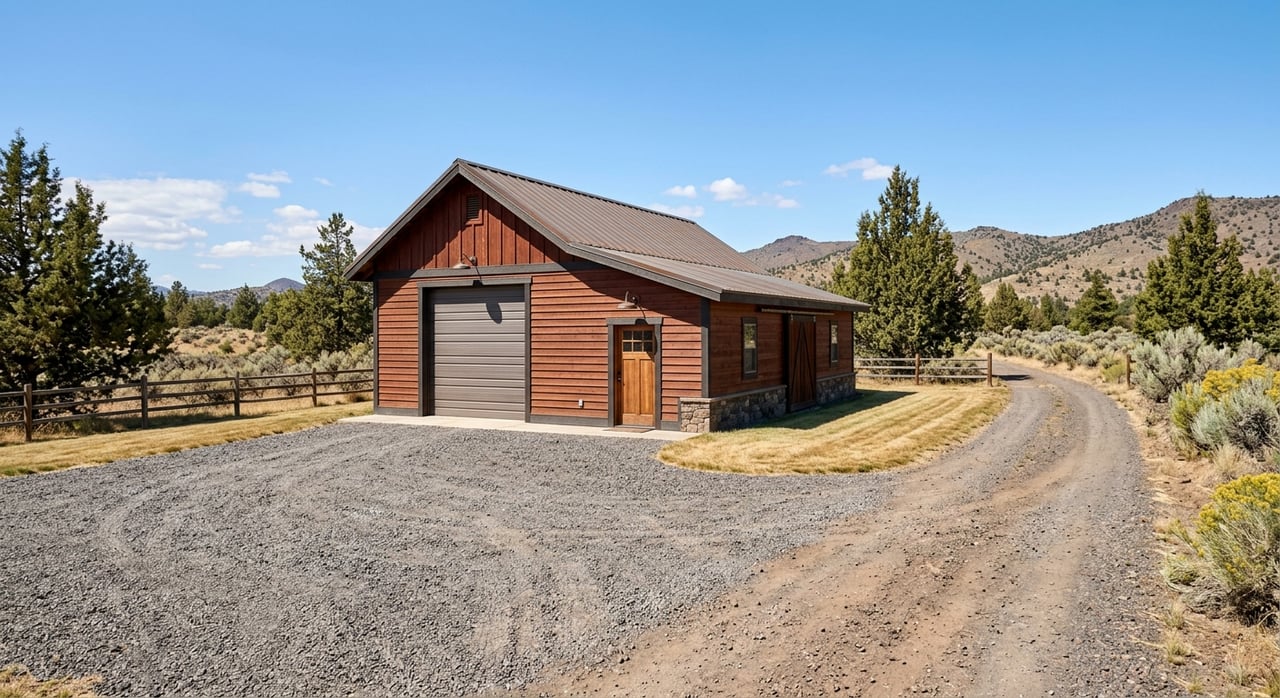
Selling acreage in Penrose is rarely just about mowing the weeds, touching up a gate, or taking pretty photos. Buyers want to know whether the land works, whether access is legal, where the water comes from, and what records back up the story. If you want fewer surprises and a smoother sale, the best place to start is with the facts behind your property. Let’s dive in.
Why Penrose acreage needs extra prep
In Penrose and across unincorporated Fremont County, acreage sales often hinge on local infrastructure and land-use details. Before you market your property, it helps to confirm zoning, buildability, access, water source, septic status, irrigation rights, and weed management.
That matters because buyers are not just evaluating scenery. They are also trying to understand how the land functions day to day and what limits or responsibilities may come with it. A well-prepared seller can answer those questions early and build confidence from the start.
Start with zoning and buildability
One of the most important first steps is confirming what your parcel can legally be used for. Fremont County planning and zoning oversees land-use issues in unincorporated areas, and the county provides a GIS zoning viewer to help identify zoning classifications.
Just as important, Fremont County’s Code of the West notes that a separately taxed parcel is not always a legal building lot. That means you should verify buildability before describing your acreage as a homesite, split opportunity, or future development property.
What to confirm before listing
- Current zoning designation
- Whether the parcel is considered a legal building lot
- Any known land-use limitations
- Whether past marketing language needs to be updated for accuracy
Clear, accurate information here can prevent a deal from slowing down later during buyer due diligence.
Verify legal access and driveway status
Access is one of the biggest value drivers for rural property. In Fremont County, driveway access permits are required for county maintained or unmaintained rights-of-way, and CDOT requires permits for access to state highways.
You should also know who maintains the road and what your responsibilities are. Fremont County states that property owners are responsible for driveway and culvert construction and maintenance at access points, along with snow clearance.
Questions buyers will ask about access
- Where is the legal access point?
- Is the driveway permitted?
- Is the road county maintained, private, or limited-service?
- What does year-round access actually look like?
If your property is easy to enter, clearly marked, and backed by the right paperwork, you remove a major point of uncertainty for buyers.
Confirm the real water source
A Penrose mailing address does not automatically mean Penrose Water District service. While Penrose has a municipal water provider, many rural parcels in Fremont County depend on wells or irrigation instead.
Before listing, confirm the property’s actual water source and current service status. If the property uses a well, gather the permit and any available well records. If it has irrigation water, make sure you understand exactly what transfers with the sale.
Water records to gather
- Well permit
- Well log and drilling records, if available
- Pump installation or service information
- Shared well agreement, if applicable
- Water district service information, if applicable
- Irrigation or ditch documentation, if applicable
When you can explain water clearly, buyers spend less time guessing and more time evaluating the property with confidence.
Pull septic records before buyers ask
For improved residential acreage, septic information matters even when an inspection is not required by county rule at sale. Fremont County’s 2025 OWTS regulations state that the county does not have a Transfer of Title Inspection Program.
Still, Colorado’s residential seller disclosure asks about septic type, permit, last inspection, last pumping, and maintenance agreements. That means buyers will likely want those records, even if the county does not require a transfer inspection.
Helpful septic documents to assemble
- OWTS or septic permit
- System type information
- Last inspection date
- Last pumping date
- Service or maintenance records
- Any maintenance agreement
If you cannot locate every document, start gathering what you do have now. A partial file is often better than scrambling after you go under contract.
Treat irrigation rights as a separate asset
If your acreage includes irrigation, do not assume buyers will understand how it works from a quick showing. In Colorado, water rights are private property rights, and ditch companies coordinate water delivery.
That means the irrigation story needs to be documented, not just described. Ditch shares, headgates, easements, pumps, turnouts, and seasonal delivery patterns can all affect value and usability.
Build a simple irrigation summary
- Ditch or company name
- Number of shares or rights, if applicable
- Headgate and turnout locations
- Pump details
- Pipe routes
- Seasonal delivery notes
- Known ditch or access easements
A short operational summary can help buyers see whether the land is truly productive or simply attractive from the road.
Organize disclosure-ready property records
Colorado’s seller disclosure for residential property asks about much more than the house itself. Rural sellers may need to address wells, septic, access issues, roads or trails used by others, encroachments, unrecorded easements, zoning concerns, and environmental conditions.
Putting those records into one packet before listing can reduce delays and repeated questions. It also helps you present the property as well managed and honestly represented.
Your pre-listing records packet might include
- Deed and legal description
- Survey, if available
- Well permit and service records
- Septic permit and maintenance history
- Driveway or access permit information
- Irrigation and ditch documents
- Easement information
- Weed treatment notes
- Fence or repair records
- Mineral ownership information, if known
Fence lines do not always match surveyed lines, and many rural owners do not own the mineral rights below the surface. A current survey and a check on mineral ownership can help reduce surprises during title review.
Show stewardship, not just acreage
Acreage buyers often want proof that the property has been cared for. If the land has been used for grazing or livestock, records that show pasture rotation, rest periods, fence maintenance, watering points, and paddock setup can help tell that story.
Colorado State University guidance notes that dryland pastures often need more than 30 days of recovery and commonly 60 to 90 days during slower growth periods. If you have grazing schedules or pasture notes, those records can help buyers better understand how the land has been managed.
Stewardship details worth documenting
- Grazing schedules or rotation notes
- Pasture rest periods
- Fence repairs
- Watering point locations
- Paddock layout
- Weed-control history
These details may seem small, but they can make your acreage feel more usable, more credible, and easier for a buyer to evaluate.
Address weed management before photos
In Colorado, public and private landowners have a legal duty to control noxious weeds. Fremont County’s weed program also notes that noxious weeds can affect property values and agricultural productivity.
That makes weed management more than a cosmetic issue. If you have records of spraying, mowing, treatment schedules, or county assistance work, keep them handy for your listing file.
A cleaner property also shows better in photos and in person. Open sightlines, trimmed growth around gates and driveways, and visibly managed ground can make the land feel more accessible and better maintained.
Improve first impressions from the road
On acreage, first impressions start before a buyer ever steps out of the vehicle. If the entrance is hard to spot, overgrown, muddy, or cluttered, buyers may start worrying about access and upkeep right away.
Focus on practical improvements that make the property easier and safer to view. That may include clearing the entry, making sure the driveway is usable, marking access points, and removing obstacles around gates, barns, and turnout areas.
Smart pre-showing cleanup steps
- Clear brush near the driveway entrance
- Make gates easy to open and close
- Trim vegetation blocking signs or sightlines
- Remove unnecessary equipment clutter
- Mark key features like wells, barns, or headgates when appropriate
- Confirm the driveway surface is passable
If you plan any digging, trenching, fence work, or utility repair during prep, Penrose Water District says to call 811 at least three working days before digging.
Think about wildfire visibility and access
For rural homes and structures, visibility and defensible space can affect how buyers perceive safety and upkeep. The Colorado State Forest Service notes that a home’s survivability in wildfire depends heavily on ignitability and defensible space.
Visible address signs and driveway access that fire trucks can use also matter. As you prepare to sell, the goal is simple: your house, barns, and lane should feel reachable and maintained, not hidden in brush or hard to navigate.
Answer the big buyer questions upfront
Many acreage buyers in Fremont County ask the same core questions early. Can I build here? Where does water come from? Is the driveway legal? Do water rights, ditch shares, or mineral rights transfer? Are there septic or weed issues?
If you can answer those questions clearly before or during the first showing, you create a smoother path to serious interest. You also reduce the risk that a buyer falls in love with the view but walks away over uncertainty.
A strong sale starts with a clear property story
The best Penrose acreage listings do more than look good online. They tell a clean, fact-based story about how the property works, what supports it, and what a buyer needs to know.
That story usually starts with records, access, and honest local detail. When you prepare those pieces before listing, you give your property a better chance to stand out for the right reasons.
If you are getting ready to sell acreage in Penrose or elsewhere in the Pikes Peak corridor, Ruthie Grainger can help you organize the property story, highlight the land’s strengths, and prepare it for a polished market launch.
FAQs
What should you do first before selling acreage in Penrose?
- Start by confirming zoning, buildability, legal access, water source, and septic records so you can market the property accurately.
Does a Penrose address mean your property has Penrose Water District service?
- No. Some parcels with a Penrose mailing address use district water, but many rural properties rely on wells or irrigation, so you should verify the actual water source.
Do you need a septic inspection to sell acreage in Fremont County?
- Fremont County’s 2025 OWTS regulations say the county does not have a Transfer of Title Inspection Program, but buyers will still want septic permit and maintenance records.
Why do water rights and ditch shares matter when selling Penrose acreage?
- In Colorado, water rights are private property rights, and irrigation features like ditch shares, headgates, and easements can affect value, use, and what transfers to a buyer.
What access issues can affect the sale of rural property in Fremont County?
- Buyers often want to know where the legal access point is, whether a driveway permit exists, who maintains the road, and what year-round access is really like.
Should you gather a survey before listing acreage in Penrose?
- A current survey can be helpful because fence lines may not match surveyed boundaries, which can reduce surprises during title review and buyer due diligence.
