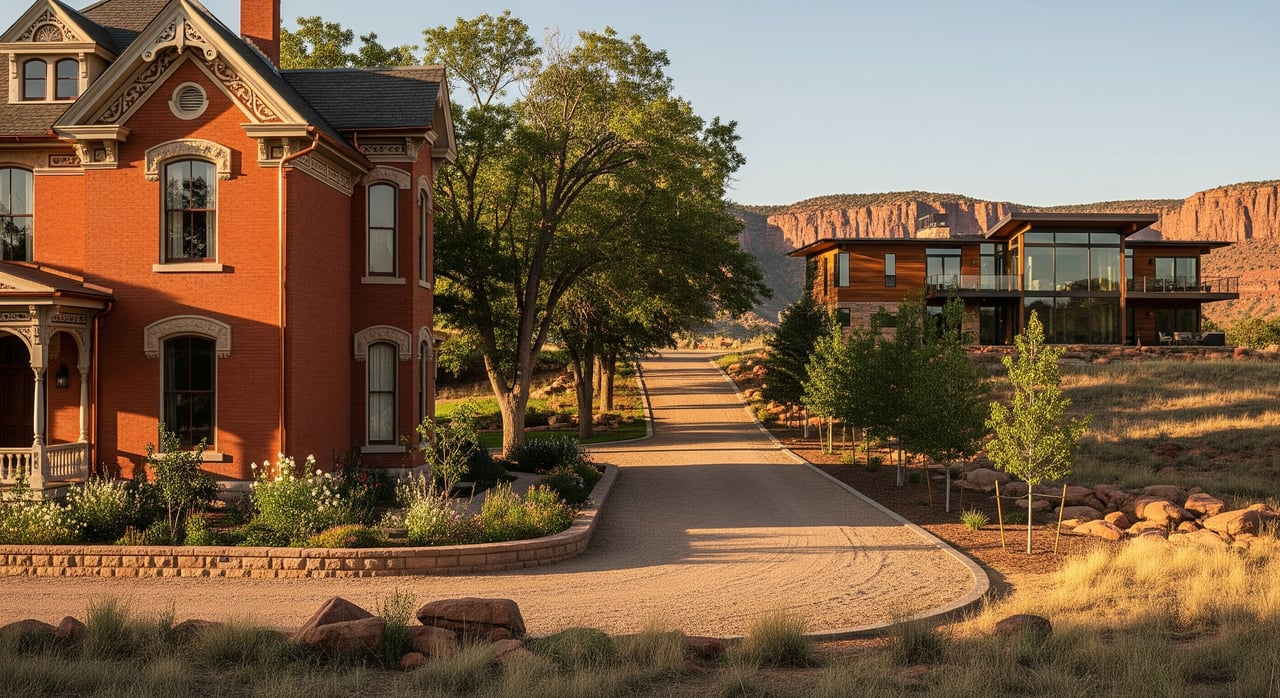
Torn between a charming downtown bungalow and a sleek new build on the edge of town? You are not alone. In Canon City’s 81212 zip code, both options can be great, but the right fit depends on your budget, timeline, and how you want to live. In this guide, you will learn what to weigh in our local market: total cost of ownership, financing, inspections, hazards, utilities, design rules, and practical next steps. Let’s dive in.
Canon City choices at a glance
Where historic homes cluster
Historic houses are common near downtown and surrounding established neighborhoods. You will find older single-family homes with unique character, mature trees, and proximity to local services. These areas are more likely to have municipal water and sewer already in place, which can simplify ownership.
Where new builds are growing
Newer subdivisions tend to sit toward the edges of town and along foothill corridors. Lots here can offer bigger views and more contemporary layouts. Depending on location, you might encounter septic systems, well permits, or tap fees for connecting to utilities. Topography and access can also vary, especially near the Royal Gorge and Arkansas River corridors.
Why location details matter
Canon City’s surroundings influence more than just views. Parcel-specific factors like floodplain proximity, wildfire exposure, slope, and access to city services affect insurance, permitting, and long-term costs. Understanding these site conditions early helps you compare homes on a true apples-to-apples basis.
Cost today vs total cost of ownership
When you compare homes, focus on the full picture: purchase price plus near-term repairs, energy costs, insurance, and maintenance.
New build
- Often higher price per square foot at purchase.
- Lower immediate maintenance, with modern systems and builder warranties covering certain items for a limited time.
- Better energy performance can reduce monthly utility bills.
Historic or older home
- Price can be higher or lower depending on neighborhood appeal and condition.
- Expect near-term repairs and updates for roofs, foundations, electrical, and plumbing if they are nearing end of life.
- Energy upgrades may be needed to match modern comfort levels.
The key is to tally all costs over the first 3 to 5 years. Include realistic budgets for immediate repairs, expected upgrades, and insurance so you can choose based on total value, not just list price.
Financing that fits the property
Different home types call for different loan structures.
New construction
- Construction-to-permanent loans can finance a build from start to finish, then convert to a standard mortgage.
- Some buyers use a conventional mortgage on a builder-completed home or builder-offered financing.
- Lenders will watch build timelines and appraisals closely.
Historic or older homes
- Conventional, FHA, and VA loans are common for move-in ready properties.
- If the home needs work, renovation loans such as FHA 203(k) or Fannie Mae HomeStyle can combine purchase and repairs into one loan.
- Confirm local lender participation and underwriting requirements early, especially for properties needing substantial upgrades.
Inspections that matter in 81212
Older and historic homes
Older properties reward thorough due diligence. Consider a general home inspector experienced with older construction, along with specialists as needed. Focus on:
- Structure and foundation movement.
- Roofing, gutters, and drainage.
- Electrical systems, including any obsolete or ungrounded wiring.
- Plumbing types and condition of supply and drain lines.
- HVAC age and performance.
- Pest and wood-destroying organisms.
- Potential hazardous materials in homes built before 1978, such as lead-based paint or asbestos.
- Site grading and moisture management.
New builds
New homes also benefit from independent inspections. Consider milestone checks such as pre-drywall and final walkthrough. Review:
- Structural framing and mechanical installations.
- Grading, drainage, and utility connections.
- Punch-list items covered by the builder warranty.
- Verification that as-built conditions match permitted plans.
Energy, comfort, and performance
New build benefits
- Modern windows, insulation, and air sealing usually lower energy use and improve comfort.
- High-efficiency HVAC and tighter envelopes can stabilize monthly costs.
Historic or older home improvements
- Energy audits help you target the biggest wins, such as insulation, air sealing, and HVAC upgrades.
- In designated historic areas, exterior changes may be reviewed, so plan for compliant solutions that preserve character.
Insurance and hazards to review
In Canon City, hazard exposure is site-specific. Your insurance cost will reflect a home’s age, systems, roof condition, and location.
Flood
- Proximity to the Arkansas River or low-lying drainage areas may put parcels within a mapped flood zone. Flood insurance and mitigation costs should be factored in.
Wildfire
- Properties near the foothills or in the wildland-urban interface can carry different underwriting standards and may require defensible space.
Age and systems
- Older electrical and plumbing can increase premiums or limit carriers. Updated systems and documented repairs can help.
Obtain quotes from local insurers early so you can compare homes accurately.
Lifestyle, resale, and timing
Historic appeal and walkability
- Older neighborhoods can offer established blocks, mature landscaping, and distinct architecture. If you love character and proximity to downtown services, this may be your fit.
Modern layouts and low maintenance
- New builds often feature open plans, larger kitchens, and first-floor primary suites. If convenience and energy efficiency are top priorities, this path may win.
Resale considerations
- Historic homes can hold value in sought-after areas where character drives demand.
- Newer homes appeal to buyers seeking turnkey living and modern amenities.
Timing and predictability
- Buying an existing home allows you to move in after closing, with renovation timelines added only if you choose.
- Building new introduces construction schedules and potential delays, so build a cushion into your timeline.
Local rules to understand before you decide
Canon City and Fremont County have processes worth reviewing before you commit.
Historic designation and review
- Some properties fall within historic districts or carry individual designation. Exterior changes may require a certificate of appropriateness and design review. Interior work is often less regulated, but always confirm the rules for your address.
Permits and building codes
- New construction must meet current codes, which can add upfront cost but improve long-term safety and performance.
- Major remodels on older homes may trigger code upgrades. Discuss the scope with the building department before you budget.
Utilities, wells, septic, and tap fees
- Downtown homes are more likely to be on city water and sewer. Outlying lots may need septic systems, well permits, or tap fees to connect to municipal services.
- In Colorado, water rights and water availability can affect development feasibility. Confirm the details for any lot you are considering.
Environmental and hazard rules
- Floodplain, slope, and wildfire regulations can shape how you build or remodel and what mitigation is required.
A simple decision framework
Start with your must-haves
- Do you need immediate move-in or do you want customization?
- Which matters more: historic character, walkability, lot size, or energy efficiency?
- How comfortable are you with ongoing maintenance or managing contractors?
Gather the right documents
- MLS listing packet and seller’s property disclosure.
- Twelve months of utility bills for existing homes.
- Builder specifications, finish schedules, and warranty for new builds.
- HOA covenants, if applicable.
- Parcel maps, zoning, and flood/wildfire interface maps.
- Permit history and records of past renovations.
Line up the right pros
- Older homes: general inspector with older-home experience; structural engineer if concerns; licensed electrical, plumbing, roofing, and HVAC contractors; pest inspection; hazardous materials testing for pre-1978 homes; energy audit.
- New builds: independent inspector at key milestones; confirm builder insurance and warranty; verify as-built plans and site drainage.
Compare apples to apples: a cost checklist
- Purchase price.
- Immediate repairs or upgrades.
- Energy and water bills.
- Insurance quotes based on age and hazard exposure.
- Property taxes and HOA fees.
- Annual maintenance budget.
- Tap fees or utility connection costs for new-build lots.
Smart contract terms
- Inspection contingencies that allow renegotiation or credits for significant issues.
- For renovation loans, confirm lender approval and timelines before you go under contract.
- For new builds, clarify construction timelines, remedies for delays if negotiable, and a defined punch-list and warranty process.
Your next steps in Canon City
Choosing between a new build and a historic home in 81212 is not about right or wrong. It is about matching the property to your goals, budget, and timeline in the context of our local terrain, utilities, and regulations. With clear priorities, thorough inspections, and realistic cost comparisons, you can feel confident about your decision.
If you want a local, boots-on-the-ground perspective on historic homes, land, and new-build lots across the Pikes Peak corridor and Canon City, reach out to Ruthie Grainger for a straightforward plan and next steps.
FAQs
What should I know about renovating a historic home in Canon City?
- Expect exterior changes in designated areas to undergo design review, while interior work is often less restricted; confirm rules and permits before you budget.
Are renovation loans available in Fremont County for older homes?
- Yes; programs like FHA 203(k) and Fannie Mae HomeStyle can finance purchase plus repairs, but lender participation and requirements vary by institution.
Which costs are easy to miss when comparing new vs old homes?
- Buyers often forget near-term repairs on older systems, utility connection or tap fees on new lots, insurance differences, and energy upgrades for comfort.
How do wildfire and flood risks affect my 81212 home choice?
- Hazard exposure varies property by property; check flood maps, wildfire interface guidance, and obtain insurance quotes early to compare true costs.
What inspections are must-haves for older homes here?
- Prioritize structure, roof, electrical, plumbing, HVAC, pest, potential lead or asbestos for pre-1978 homes, and a drainage review of the lot.
Do new builds in Canon City still need independent inspections?
- Yes; pre-drywall and final inspections help verify quality, catch punch-list items, and confirm grading, drainage, and mechanical installations are correct.
