Do you picture your mornings with a latte and a stroll past brick storefronts, or a quick jog on a riverside trail before work? In Cañon City, you get to choose between two great daily rhythms: the walkable charm of historic Main Street and the outdoor access that comes with living near the Arkansas River. This guide breaks down what each lifestyle feels like, the types of homes you can expect, and the practical checks to make before you buy. Let’s dive in.
Cañon City at a glance
Cañon City sits along the Arkansas River with U.S. Highway 50 running through town. The river and the Royal Gorge shape local life, tourism, and the way neighborhoods feel day to day. You see that influence downtown and all along the river corridor, from trailheads to boat access points. Learn more about the area’s riverside setting and attractions in the Cañon City overview on Wikipedia.
ZIP 81212 includes Cañon City and nearby unincorporated areas. A recent ZIP profile shows about 31,000 residents in 81212, while the City of Cañon City recorded 17,141 residents in the 2020 Census. That difference is normal at the ZIP level and simply reflects a larger footprint than city limits.
If you favor a car-light routine, data points help. Walk Score calls the central 81212 area Very Walkable, which supports a downtown-first lifestyle where many errands can be handled on foot.
What downtown living feels like
Historic character on Main Street
Cañon City’s core is a National Register Historic District with brick and stone commercial buildings from roughly 1870 to 1920. Late Victorian and Classical Revival details give Main Street a classic, small-town look. Landmark buildings like the Raynolds Bank and the St. Cloud Hotel/McClure House anchor a streetscape of two-story storefronts and upper-floor spaces.
Walkability and daily errands
If you live near Main Street, you can plan on short blocks, on-street parking, and a steady calendar of local events that pull you outside. First Fridays, a seasonal farmers market, and downtown galleries and tap houses create an easy loop for evenings and weekends. Walk Score’s Very Walkable rating backs up what you feel on the ground: a compact core where you can grab coffee, lunch, or a quick grocery run without a long drive.
Homes near the core
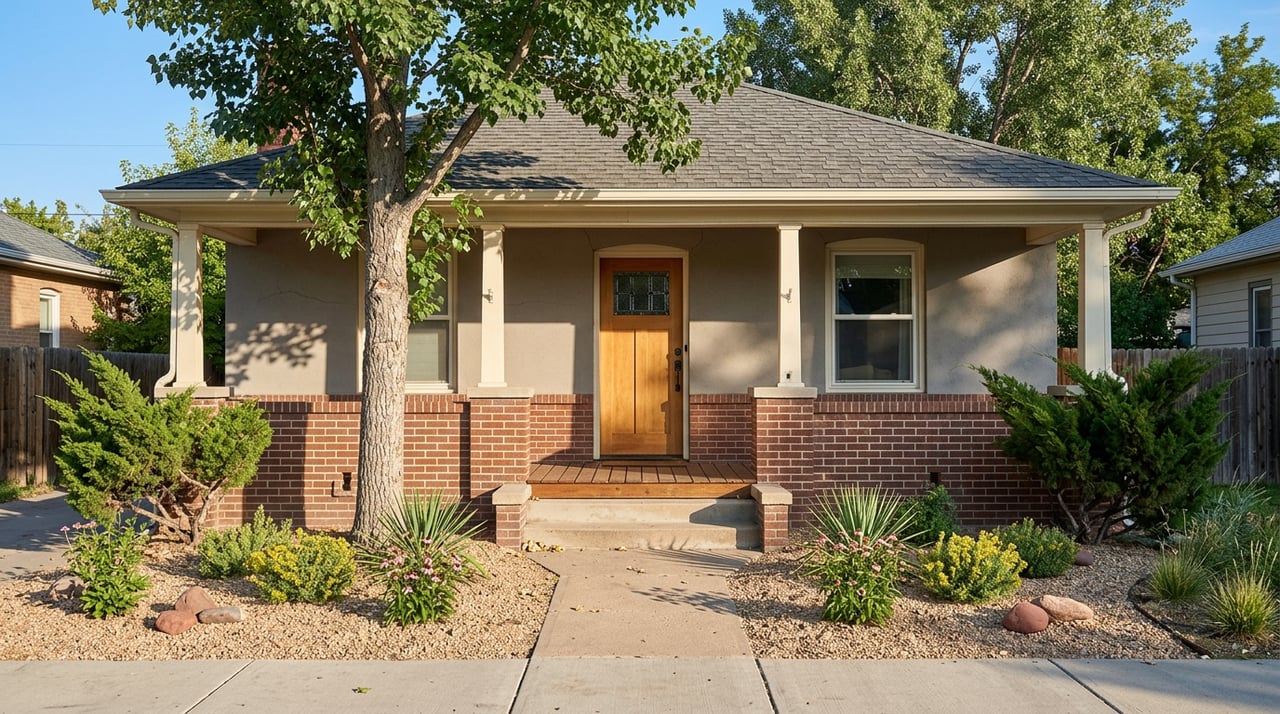
Within a short walk of Main Street, you will find older single-family homes and small apartment or condo conversions. Typical styles include Victorian-era houses, early 1900s bungalows and Craftsman infill, plus some upper-floor apartments above historic storefronts. Many spaces have been renovated over time. Condition and style vary block to block, so plan for in-person tours to compare updates and layouts.
What river-corridor living feels like
Arkansas Riverwalk and parks
The Arkansas Riverwalk Trail runs roughly 7 miles along the river on crushed gravel, looping through John Griffin Regional Park with trailheads from Tunnel Drive on the west side through town to the east. If you live near the corridor, you can be on foot or bike within minutes. Many residents use the trail for daily runs, dog walks, casual rides, birding, and fishing access.
Whitewater, seasons, and the river through town
Cañon City sits within the Arkansas Headwaters Recreation Area. Upstream segments range from Class II to V, while the stretch below downtown toward Lake Pueblo is generally gentler Class I to II. The city has also invested in a downtown whitewater play area, which adds to activity levels near certain parks and trailheads during peak flow and event days.
Homes, lots, and access
Near the river you will see a mix of compact river-edge lots, older homes close to John Griffin Park, and larger parcels in places like Brookside and neighborhoods east of town. Some properties feature cottonwoods and willows along riparian edges, while others sit on shelf or mesa terrain. Utility service can differ. Inside city limits, properties are typically on municipal water, wastewater, and stormwater systems. Outside city limits, parcels may rely on private wells and on-site wastewater systems. Always confirm the setup for any address you are considering.
Side-by-side lifestyle snapshots
A morning downtown
Start with a short walk to coffee on Main Street, pass restored storefronts and window displays, and pick up fresh goods from a local bakery. On weekends, First Fridays and the farmers market bring a lively pedestrian scene to the core.
A morning on the Riverwalk
If you live near the corridor, lace up for a riverside run or a quick dog walk on the Arkansas Riverwalk Trail. Anglers can work calm riffles for trout. In season, many locals plan an afternoon float, raft, or tube run.
Evenings and weekends
Downtown, restaurants and tap houses cluster along Main, so dinner and a show or a small music set are easy to reach. River lovers often head for nearby trailheads, or make a quick drive to Shelf Road for climbing and rugged scenery. Visitor traffic can increase on routes to the Royal Gorge during peak seasons, which is helpful to know if you value extra quiet at certain times of year.
What to check on every showing
- Location and services. Confirm if the property is inside city limits or in unincorporated county. Service type can change your monthly costs and maintenance plan.
- Flood maps and elevation. Riverside parcels can have specific floodplain considerations. Ask for the FEMA map panel and an elevation certificate when you evaluate riverfront properties.
- Historic permits and systems. For older homes near downtown, review permit history and check the roof, wiring, plumbing, and heating systems with your inspector.
- Access and parking. Downtown homes trade larger private yards and driveways for walkability and street life. River-corridor homes often gain private outdoor space and gear storage but may require more driving for errands.
- Nearest trailhead or launch. If the outdoors is a priority, map the closest trailhead, boat launch, and typical parking patterns, then visit at different times of day.
Flood, seasonality, and visitor patterns
If you are shopping near the river, flood risk belongs on your due-diligence list. Cañon City participates in the National Flood Insurance Program and maintains FEMA flood maps. Ask for the flood map panel, request an elevation certificate if needed, and contact the city or county floodplain administrator with questions.
River use changes with the seasons. Spring snowmelt brings higher flows and more activity, especially for whitewater upstream. Late spring and early summer tend to be busiest for commercial rafting and special events. Late summer flows are often calmer, which is good for mellow paddling and fishing. The downtown whitewater play area can draw spectators and add to the buzz near certain parks at times.
Try both in one weekend
Use a simple 48-hour test to see which rhythm fits you.
- Day 1 morning: Park once downtown and walk Main Street. Grab coffee, browse galleries, and note how easy it feels to run errands on foot.
- Day 1 evening: Stay in the core for dinner and a show, then walk the evening loop past lit storefronts.
- Day 2 morning: Hit the Arkansas Riverwalk Trail for a run or ride from a convenient trailhead. If you fish, try a short session along an accessible riffle.
- Day 2 afternoon: Sample a guided rafting trip in season or take a scenic drive to Shelf Road for hiking and views. Wrap up back in town for dinner and compare notes.
Bring a notepad and track what matters: commute times, noise levels at different hours, parking ease, yard size, trail proximity, and how each setting supports your daily routine.
Which lifestyle fits you?
Choose downtown if you want
- A Very Walkable routine where many errands are nearby.
- Historic character and a lively Main Street with events and dining.
- Smaller yards with more time spent out in the neighborhood.
Choose the river corridor if you want
- Immediate access to the Arkansas Riverwalk, trailheads, and parks.
- Space for boats, bikes, and outdoor gear at home.
- A quieter residential feel, with a short drive to downtown for errands.
Both settings are linked by short drives and the same signature landscapes. The right choice comes down to how you spend your weekdays and weekends.
Work with a local guide
You do not have to choose alone. Gold District Realty pairs deep local knowledge with a hands-on, client-first approach across the Pikes Peak corridor. Whether you want a historic bungalow near Main Street or a home steps from the Riverwalk, we will help you compare utilities, flood considerations, and access so you can make a confident choice. Ready to explore listings or get a sense of value in 81212? Get an Instant Property Valuation or connect with Ruthie Grainger for boots-on-the-ground guidance.
FAQs
What is the main difference between downtown and river-corridor living in Cañon City?
- Downtown focuses on walkability and historic Main Street life, while the river corridor emphasizes immediate access to the Arkansas Riverwalk, trailheads, and outdoor recreation.
How walkable is downtown Cañon City for daily errands?
- The central area scores Very Walkable, which supports a lifestyle where many errands and dining options are within a modest walk from home.
Are there flood considerations for homes near the Arkansas River?
- Yes. Riverside parcels can fall within mapped floodplains. Ask for FEMA flood map panels and an elevation certificate, and consult the city or county floodplain administrator.
What kinds of homes are near Main Street versus the river?
- Near Main Street you will find historic single-family homes, bungalows, and some loft or apartment conversions. Near the river you will see a mix of older houses by parks, larger parcels in nearby communities, and properties with riparian vegetation.
How busy does the river get during peak seasons?
- Spring snowmelt and early summer bring higher flows and more activity for rafting and events. Late summer often sees calmer flows that favor fishing and mellow paddling.
Do properties outside city limits have different utilities?
- Often, yes. Inside the city, homes typically use municipal water, wastewater, and stormwater systems. Outside city limits, parcels may rely on private wells and on-site wastewater systems. Confirm at the parcel level.
